History of Kurjey Lhakhang
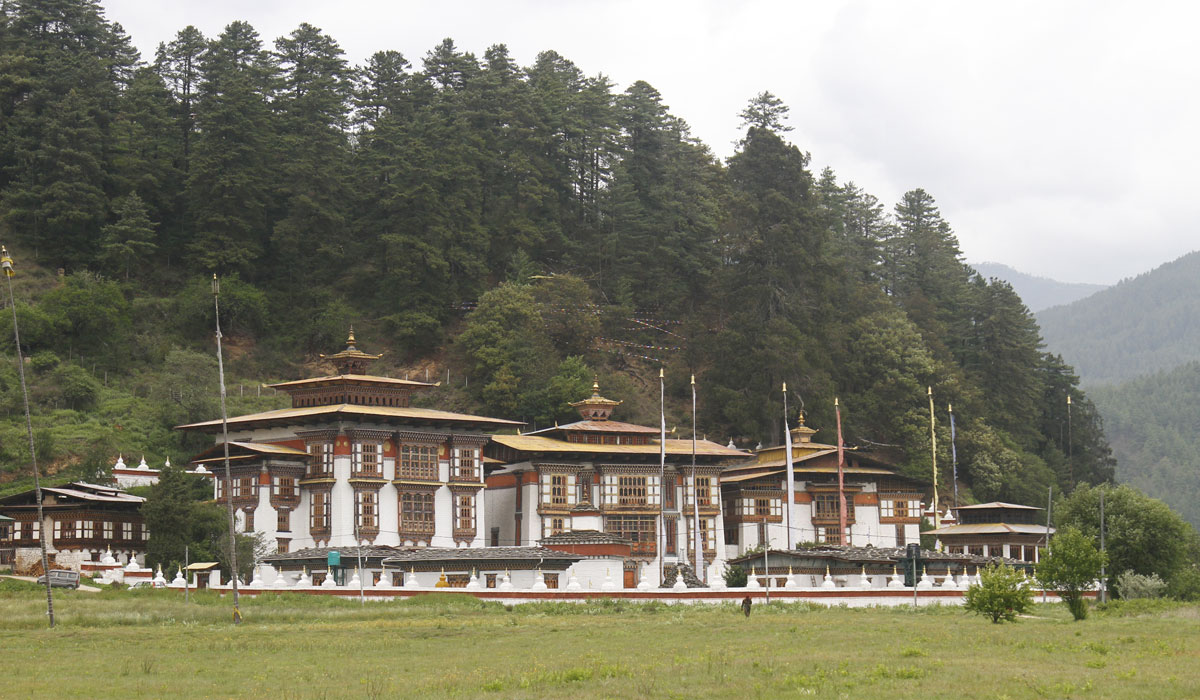
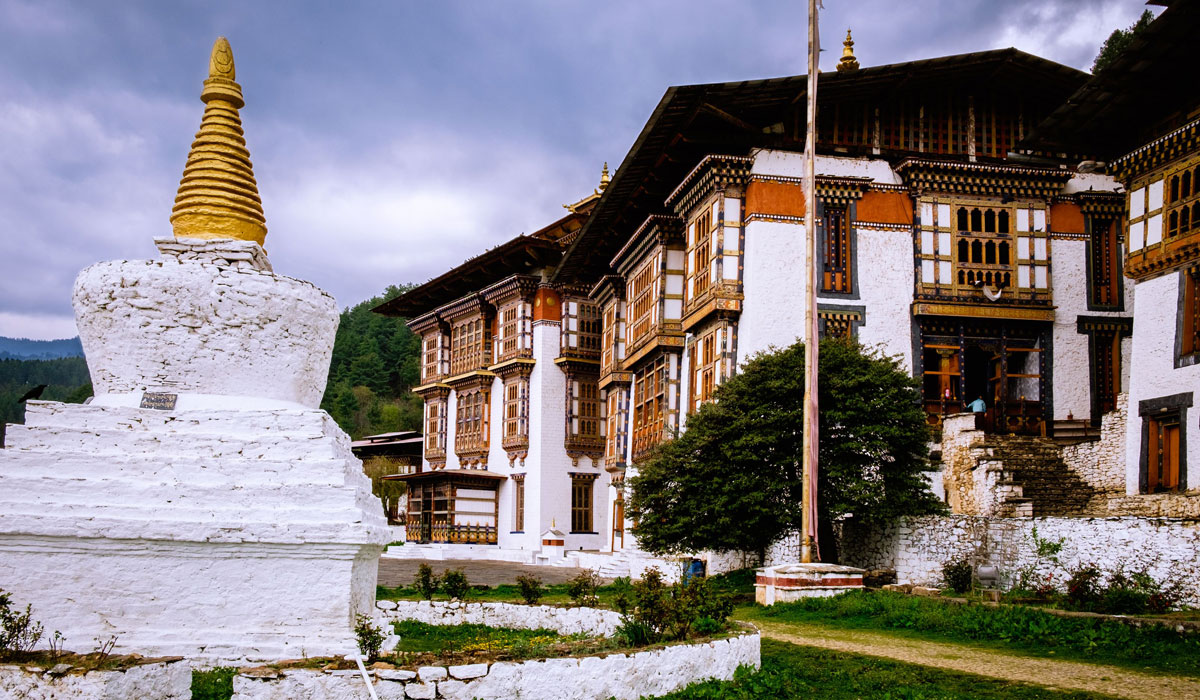
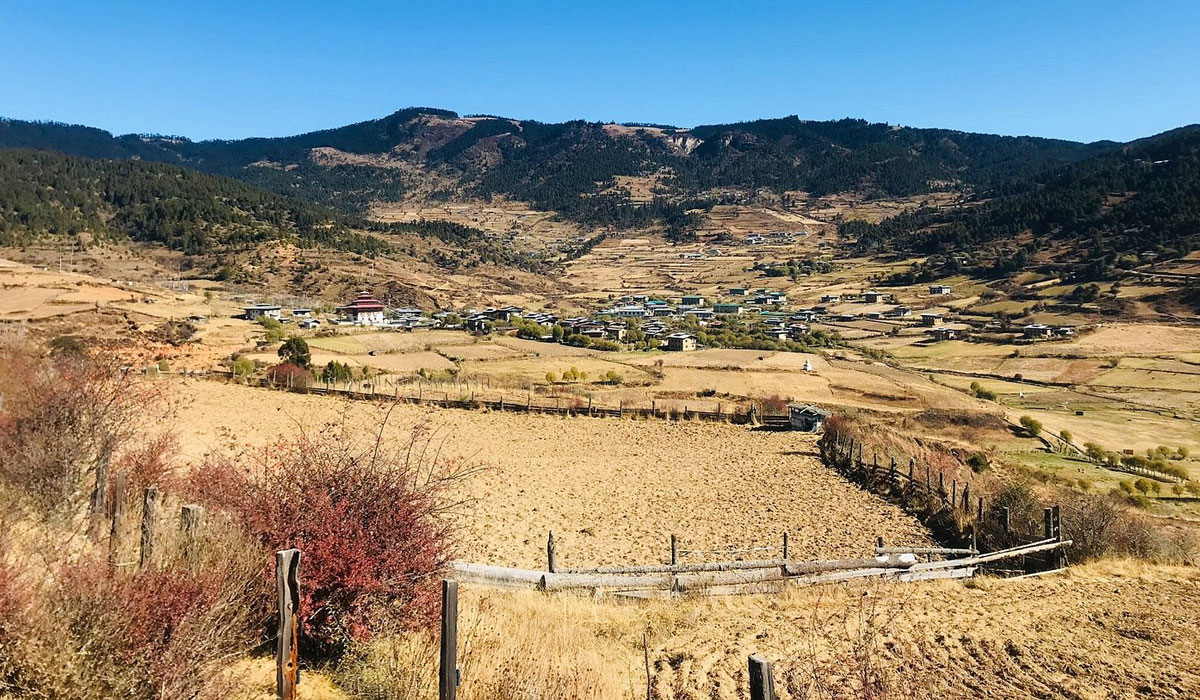
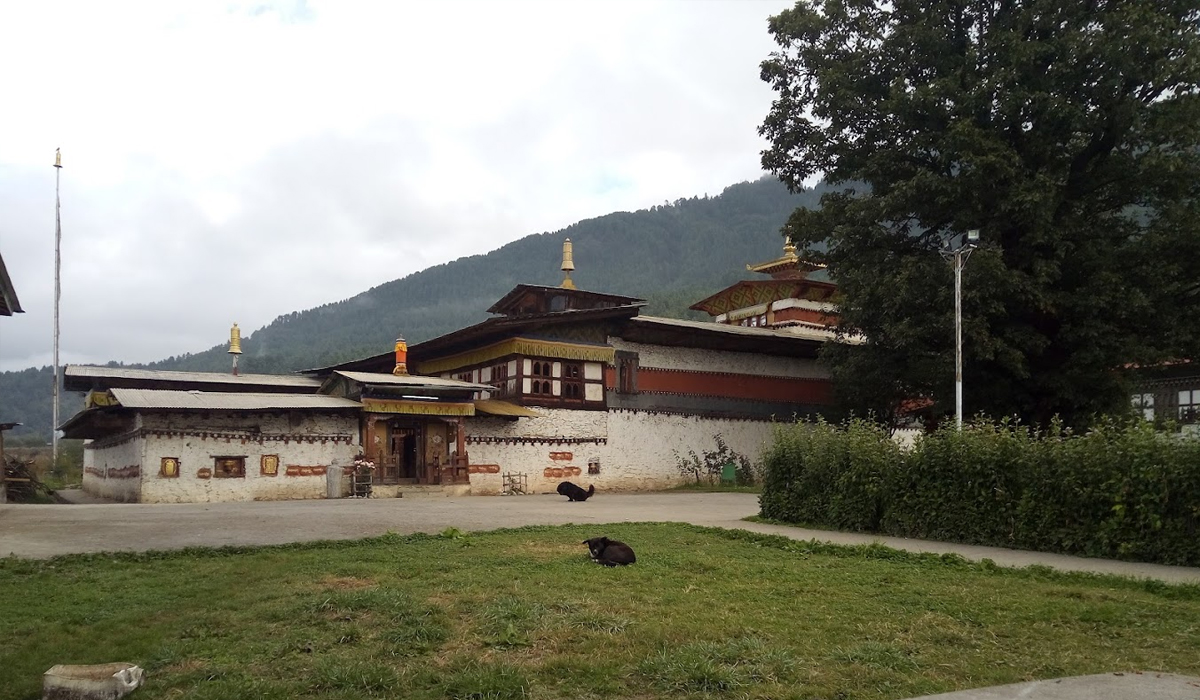
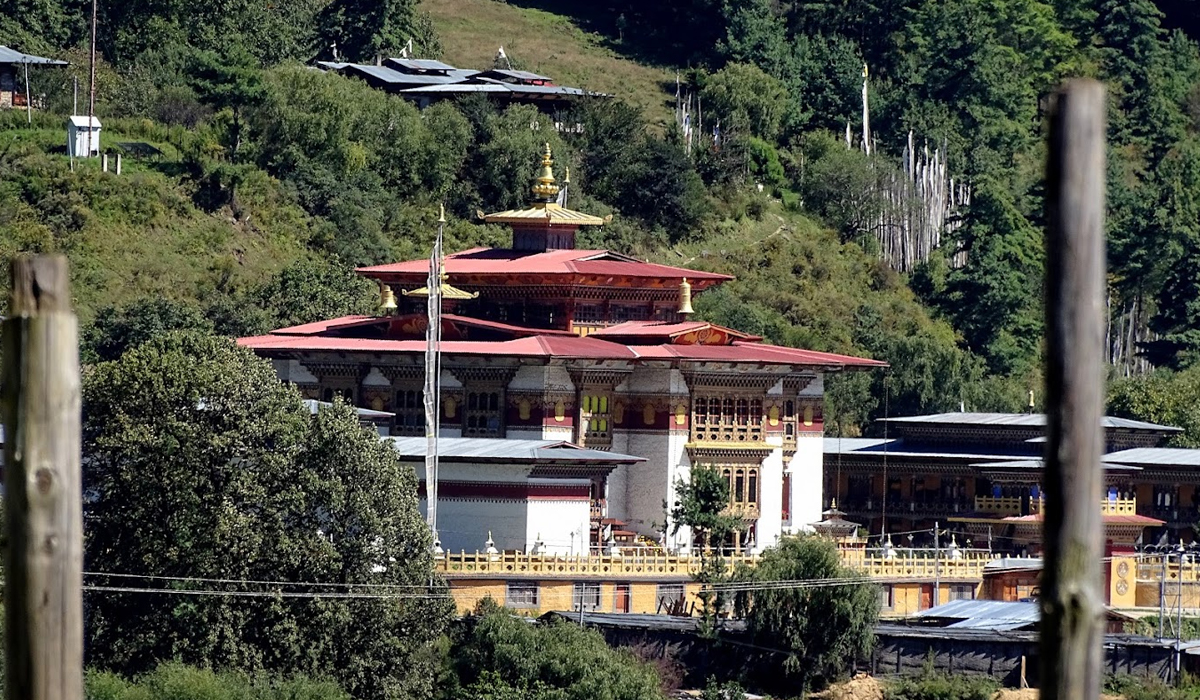
Kurjey Lhakhang, located in the Bumthang Valley of Bhutan, is one of the most sacred monasteries in the country. The name Kurjey translates to “Body Imprint,” referring to the miraculous imprint of Guru Rinpoche’s body that is enshrined in the temple. This site holds immense religious and historical significance as a cornerstone of Bhutanese Buddhism.
Foundation and Legend
The history of Kurjey Lhakhang is deeply intertwined with Guru Padmasambhava (Guru Rinpoche), the great Indian saint credited with bringing Buddhism to Bhutan in the 8th century. Legend has it that Guru Rinpoche arrived in Bumthang to subdue a malevolent local deity named Shelging Karpo, who had caused turmoil by afflicting a local king, Sindhu Raja, with illness.
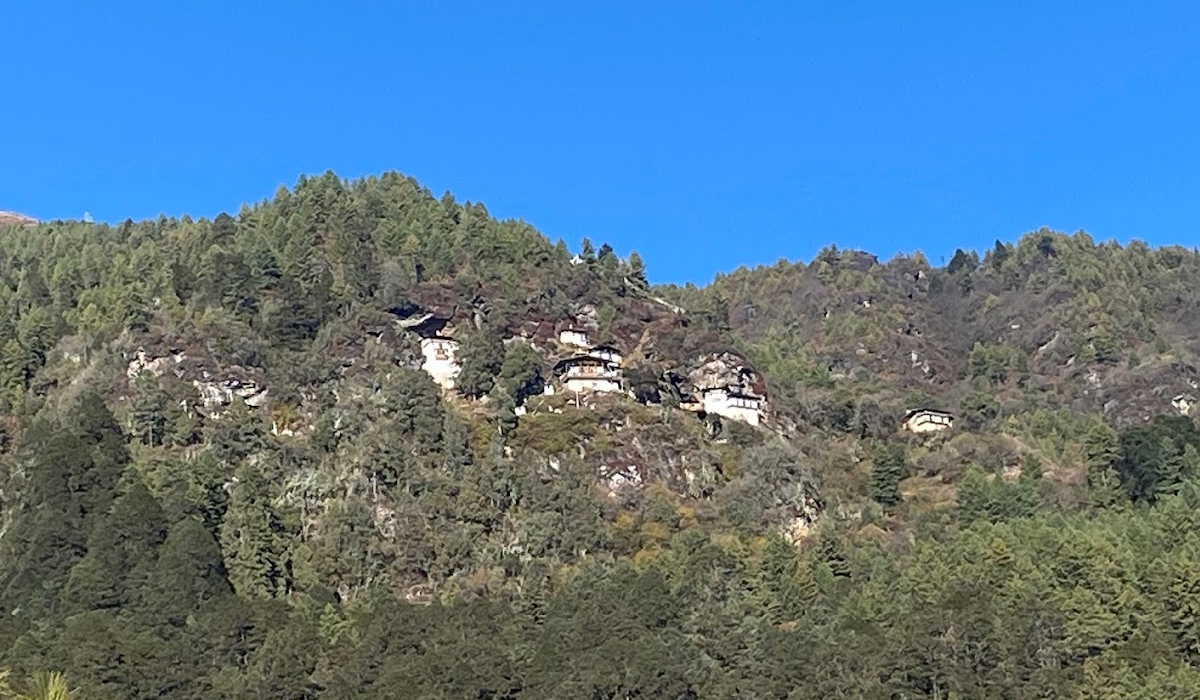
Guru Rinpoche meditated in a cave at the site, performing powerful rituals to defeat the deity and restore peace. During his meditation, his body left an imprint on the rock inside the cave, marking it as a sacred site. Following the successful subjugation of Shelging Karpo, Guru Rinpoche blessed the area, and the king and his people embraced Buddhism.
Construction and Expansion
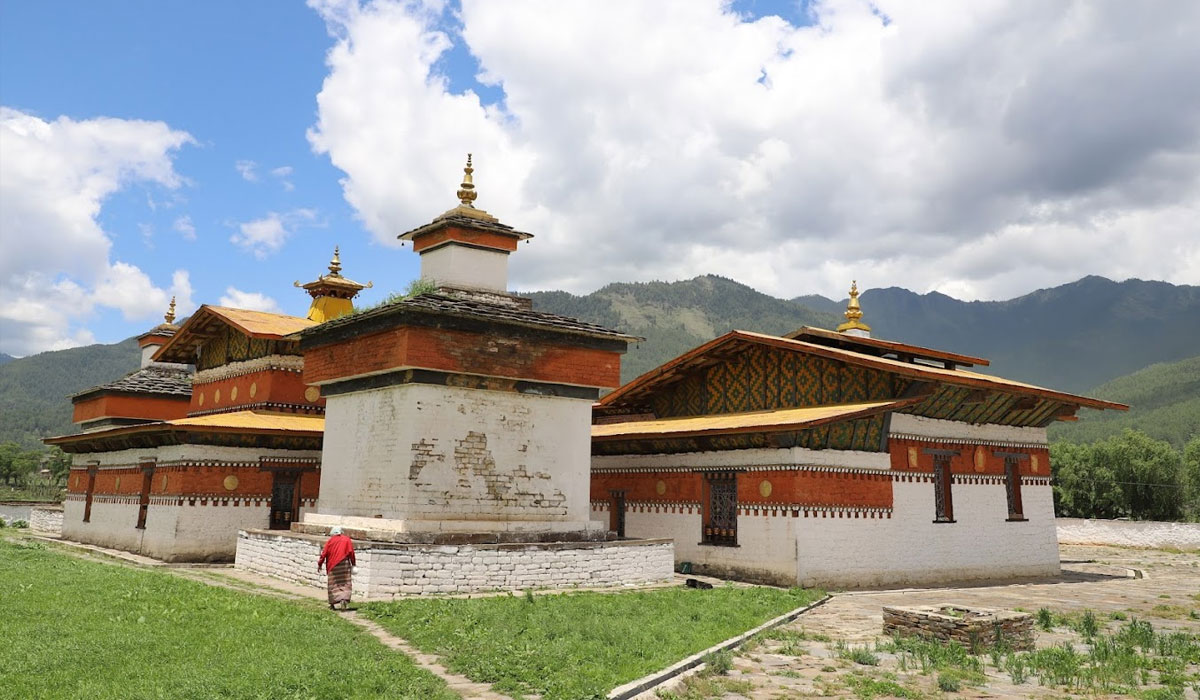
The first temple of Kurjey Lhakhang was constructed in 1652 by Trongsa Penlop (governor) Chogyal Minjur Tenpa under the patronage of the Drukpa Kagyu lineage. Over the centuries, two additional temples were built, each contributing to the complex’s grandeur:
- The Guru Lhakhang (Old Temple): The oldest temple, which houses the sacred cave with Guru Rinpoche’s body imprint.
- The Sampa Lhundrup Temple: Built in the 1900s, it is dedicated to Guru Rinpoche’s eight manifestations.
- The New Temple: Constructed in the 1990s by Her Majesty the Royal Grandmother Kesang Choden Wangchuck.
Architectural and Religious Importance
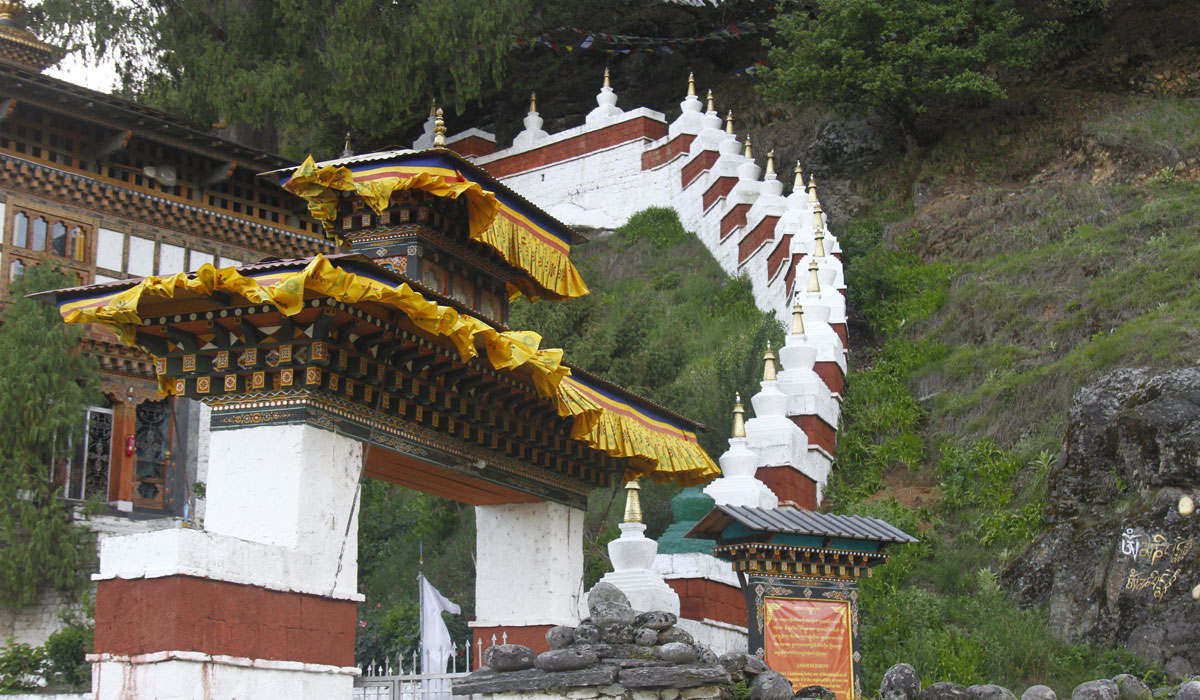
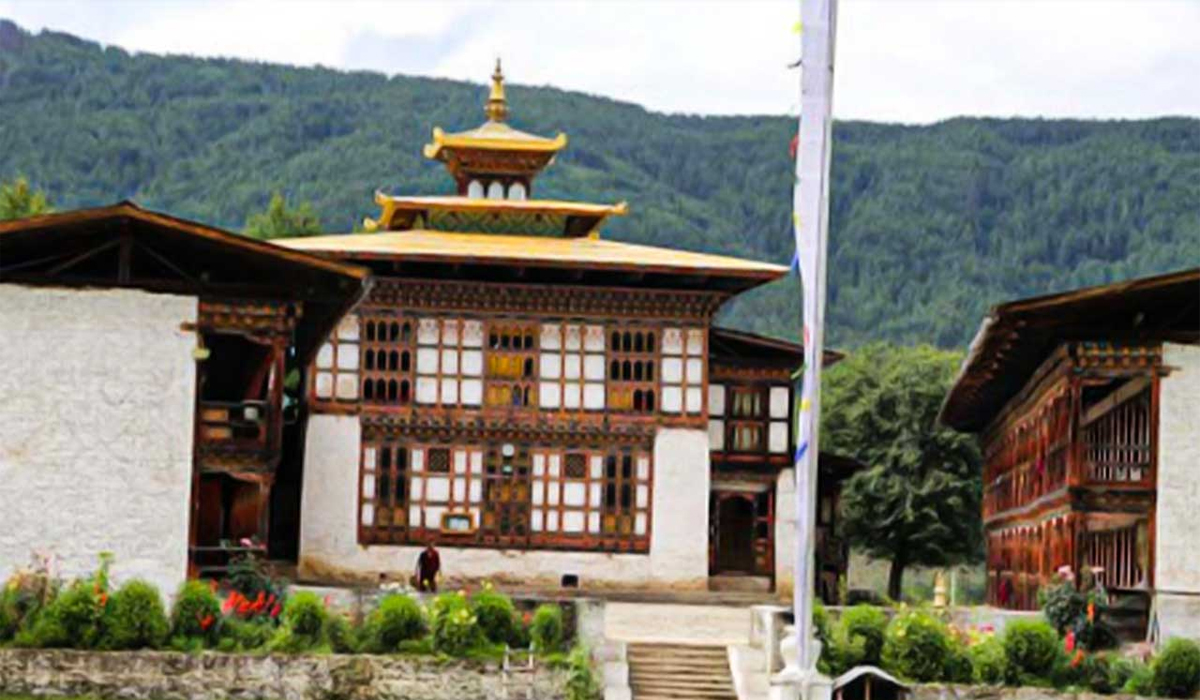
Kurjey Lhakhang showcases traditional Bhutanese architectural excellence, with intricate woodwork, murals, and statues depicting the life and teachings of Guru Rinpoche. The monastery is surrounded by a sacred cypress tree believed to have sprouted from Guru Rinpoche’s walking stick.
The site also serves as a cremation ground for Bhutan’s royal family, adding to its cultural and historical importance.
Religious Significance
Kurjey Lhakhang is a major pilgrimage site for Bhutanese and international visitors. The annual Kurjey Tsechu festival, held here, is a vibrant celebration that features mask dances and rituals honoring Guru Rinpoche. The festival reinforces the temple’s status as a vital spiritual hub.
Legacy
Kurjey Lhakhang stands as a symbol of Bhutan’s deep-rooted Buddhist heritage and the transformative influence of Guru Rinpoche. It remains a place of profound reverence, meditation, and cultural continuity, embodying the spiritual essence of the nation.