History of Jambay Lhakhang
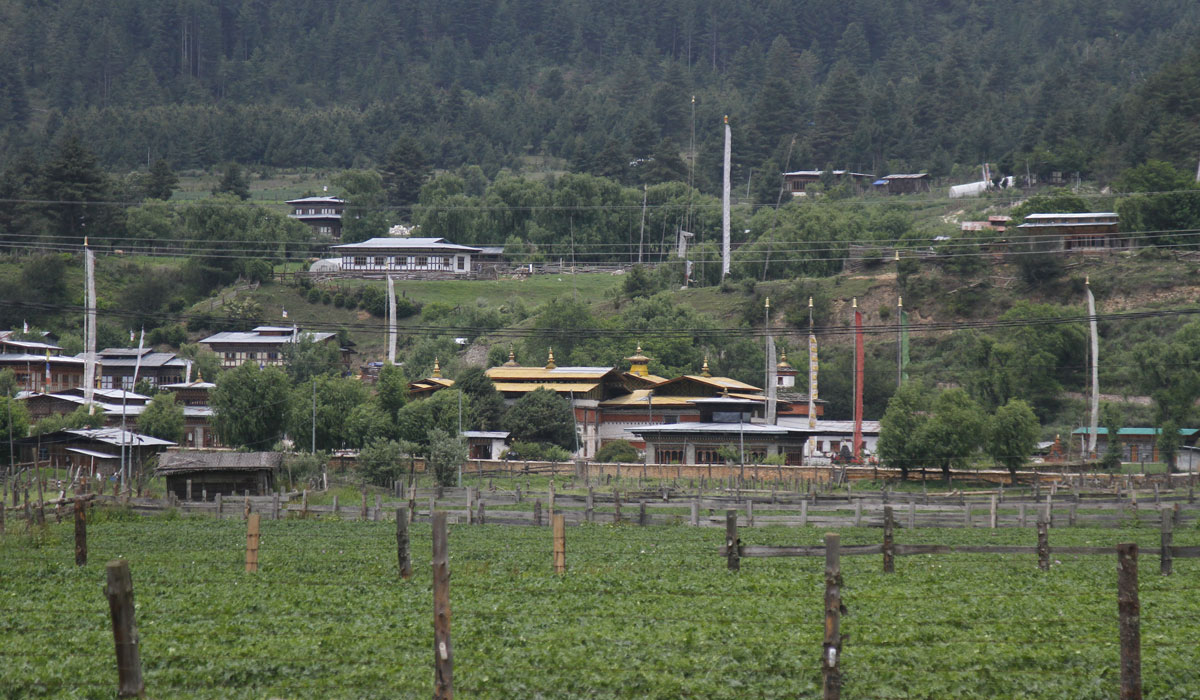
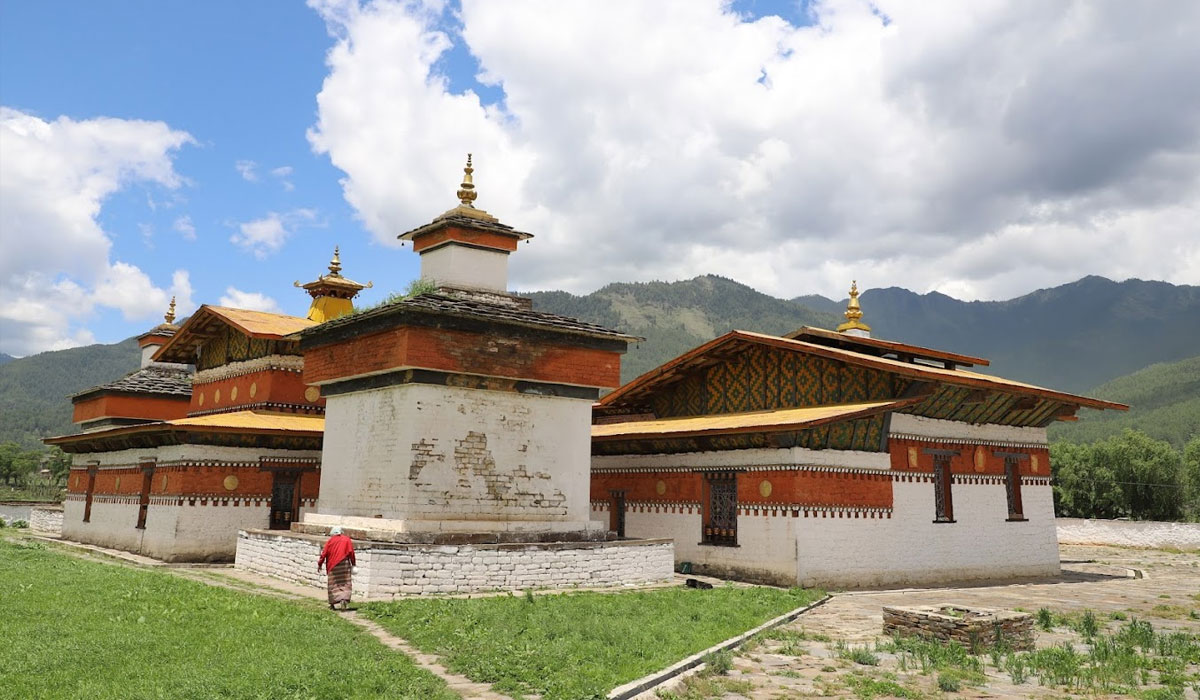
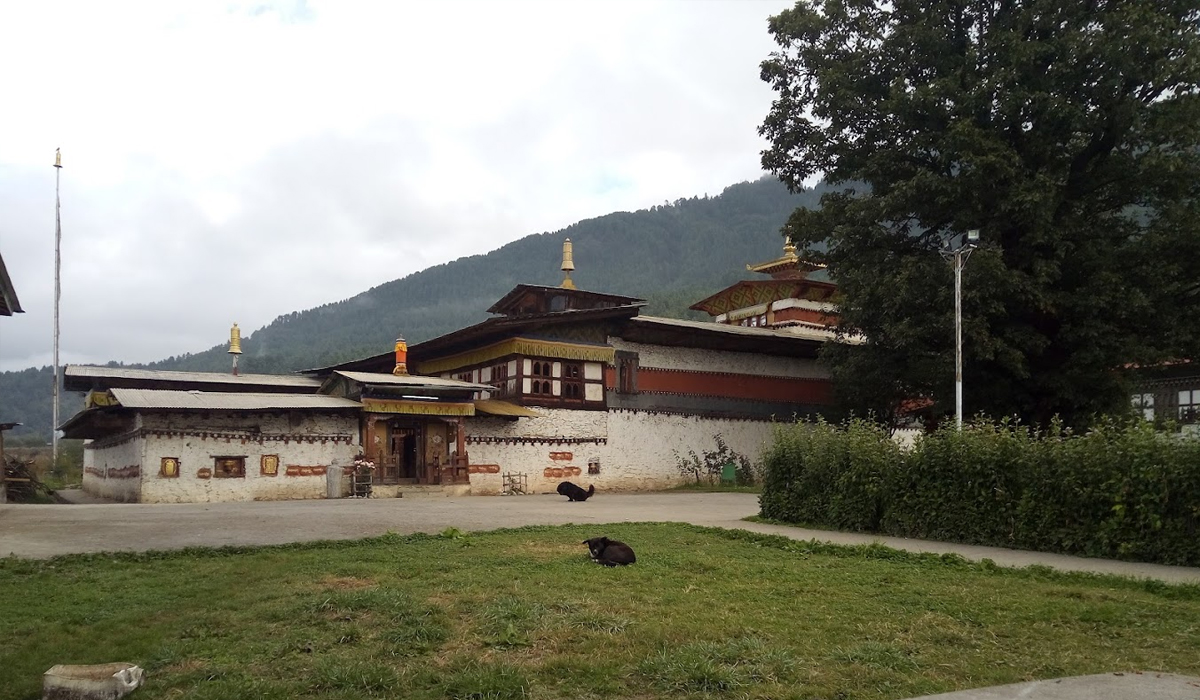
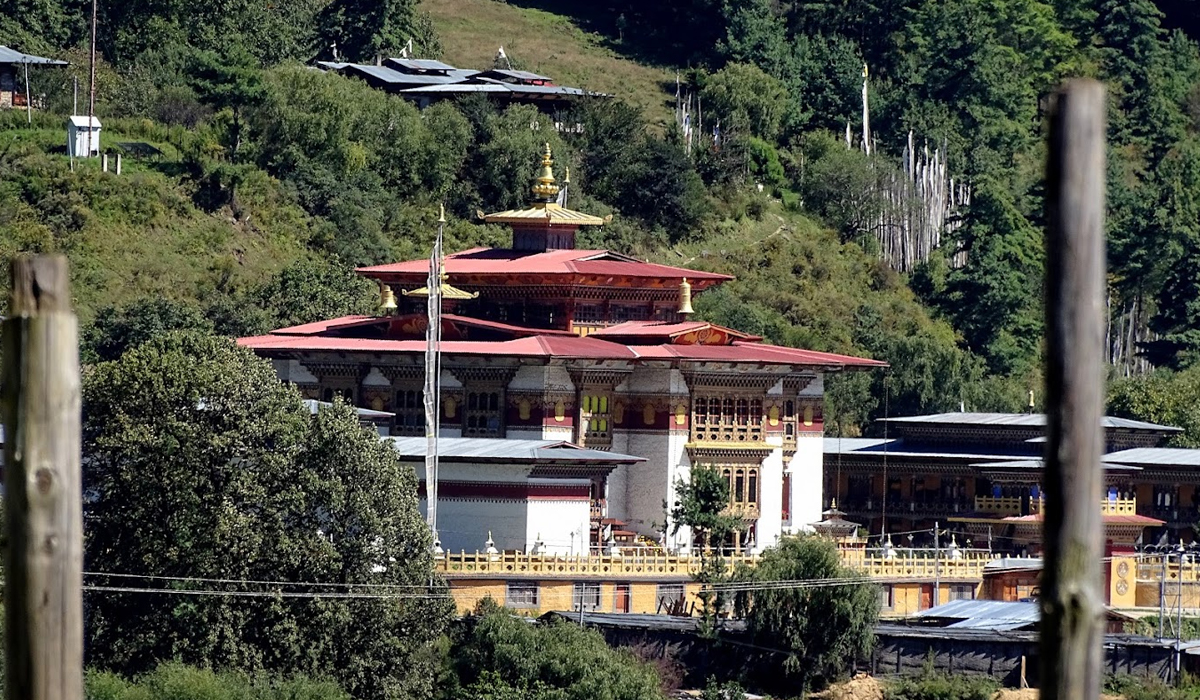
Jambay Lhakhang, one of Bhutan’s oldest and most sacred temples, stands as a testament to the enduring spiritual and cultural heritage of the kingdom. Located in Bumthang, the heartland of Bhutanese spirituality, the temple was constructed in the 7th century by the Tibetan king Songtsen Gampo. It is part of a network of 108 temples he is said to have built across the Himalayan region to subdue a demoness and establish Buddhism in the area.
According to legend, these temples were strategically placed to pin down the demoness’s body. Jambay Lhakhang is believed to be one of the two temples built in Bhutan, representing her left knee, while Kyichu Lhakhang in Paro represents her left foot.
Architectural Features
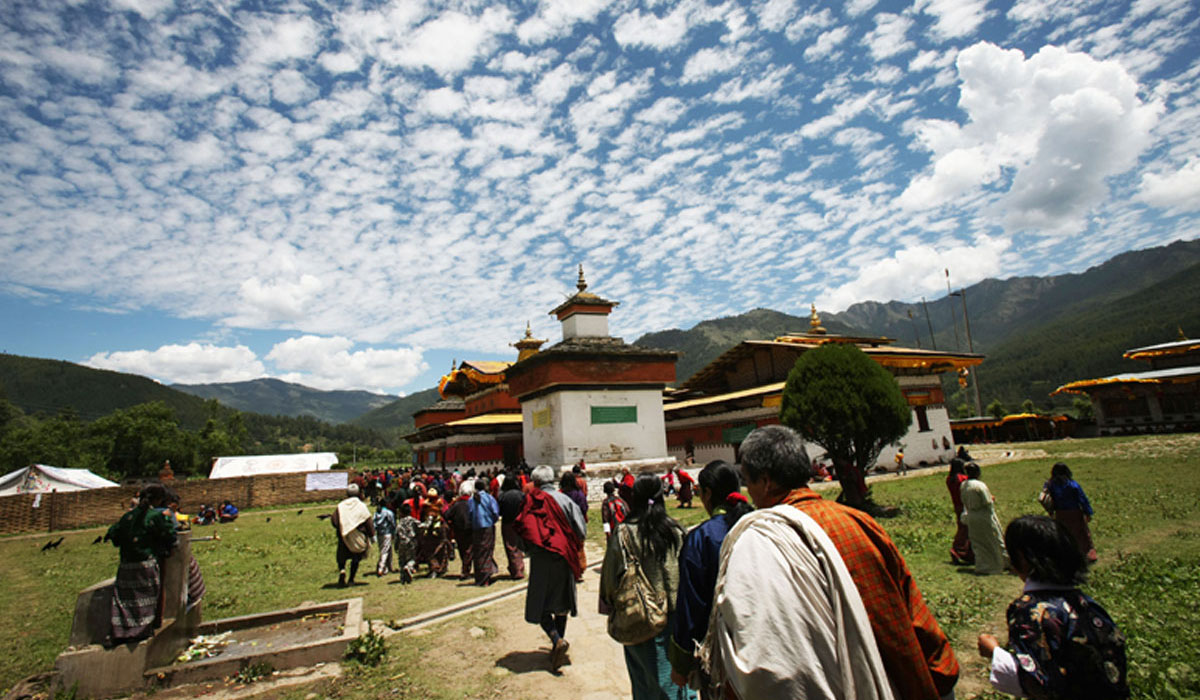
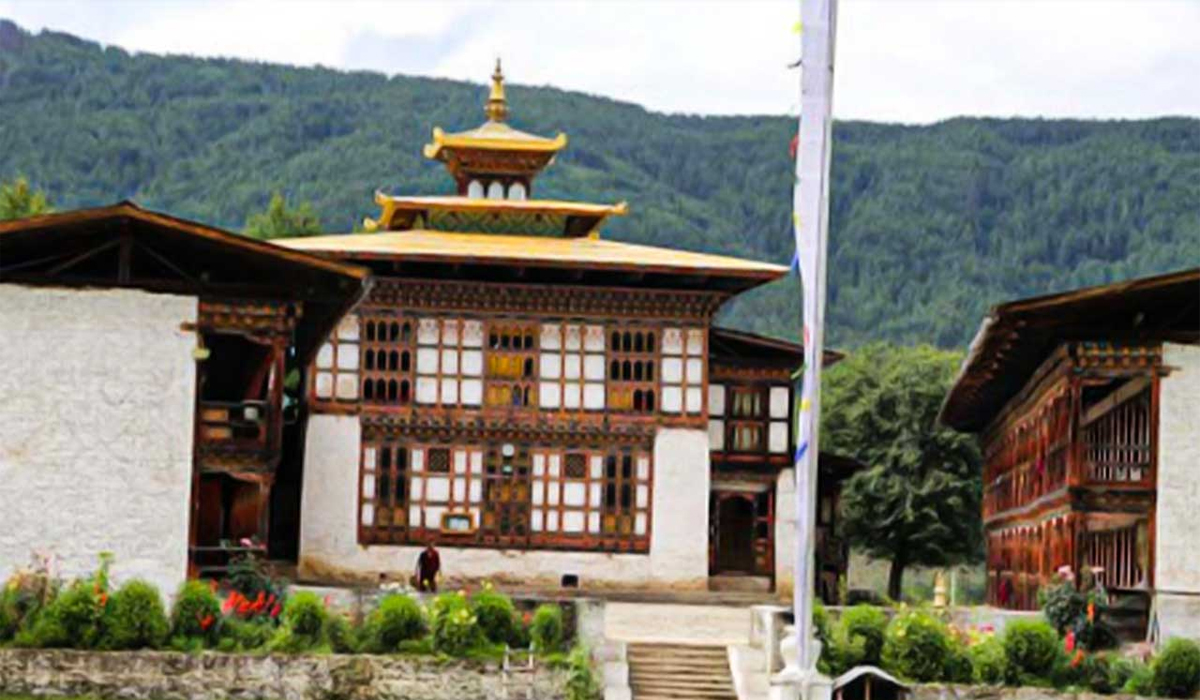
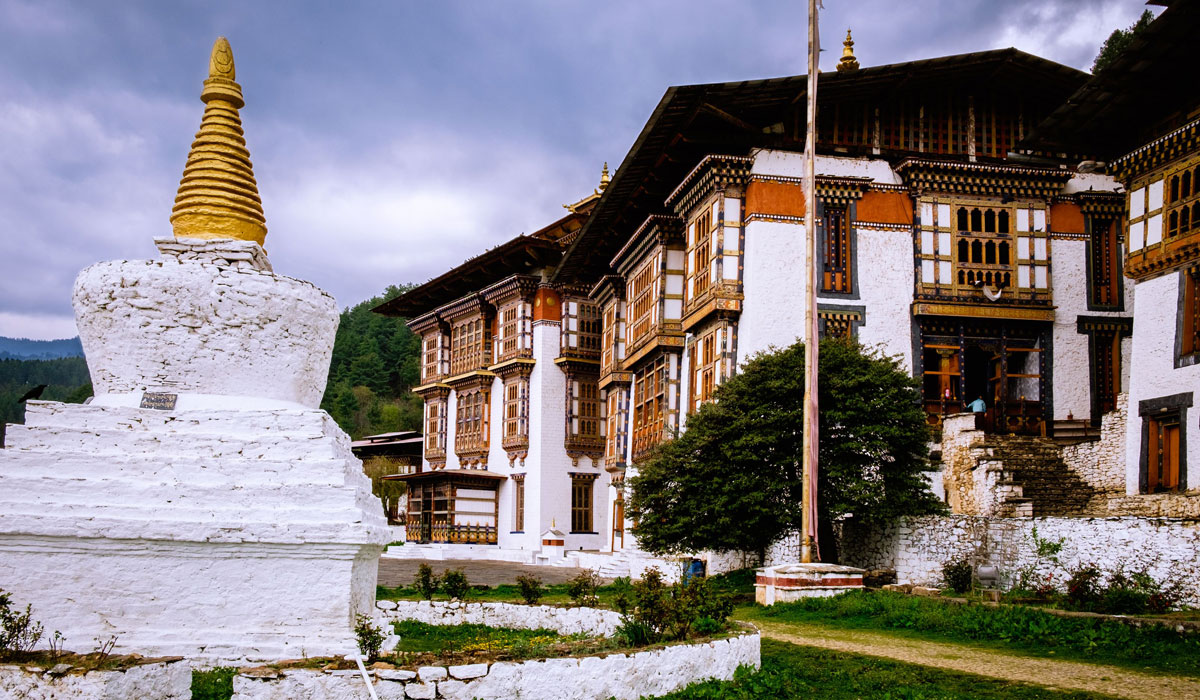
The temple has undergone several renovations over the centuries but has retained its spiritual essence. Its design is a classic example of traditional Bhutanese architecture, with intricate wood carvings, vibrant murals, and sacred relics. The inner sanctum houses a statue of Maitreya, the future Buddha, along with other deities.
Religious Significance
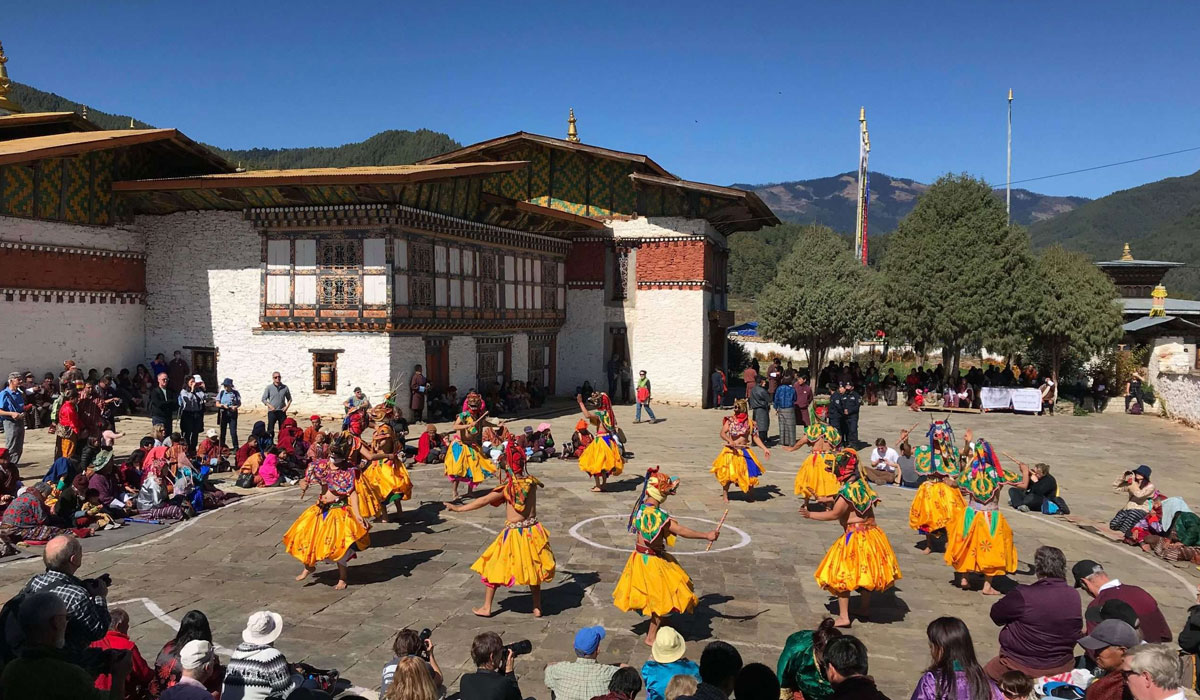
Jambay Lhakhang plays a pivotal role in Bhutanese religious life. It is a focal point for annual festivals and rituals, most notably the Jambay Lhakhang Drup, a spectacular celebration that draws pilgrims and tourists from around the world. During this festival, the famed tercham (fire dance) is performed, symbolizing the purification of sins and the triumph of good over evil.
Cultural Legacy
Beyond its religious significance, Jambay Lhakhang serves as a repository of Bhutanese art, history, and folklore. It connects generations of Bhutanese people to their spiritual roots and provides a space for communal worship and cultural expression.
The temple remains a must-visit site for anyone seeking to understand Bhutan’s spiritual depth and historical legacy. Its timeless presence continues to inspire awe and reverence, embodying the enduring soul of the nation.