Jakar Dzong: The Fortress of the White Bird
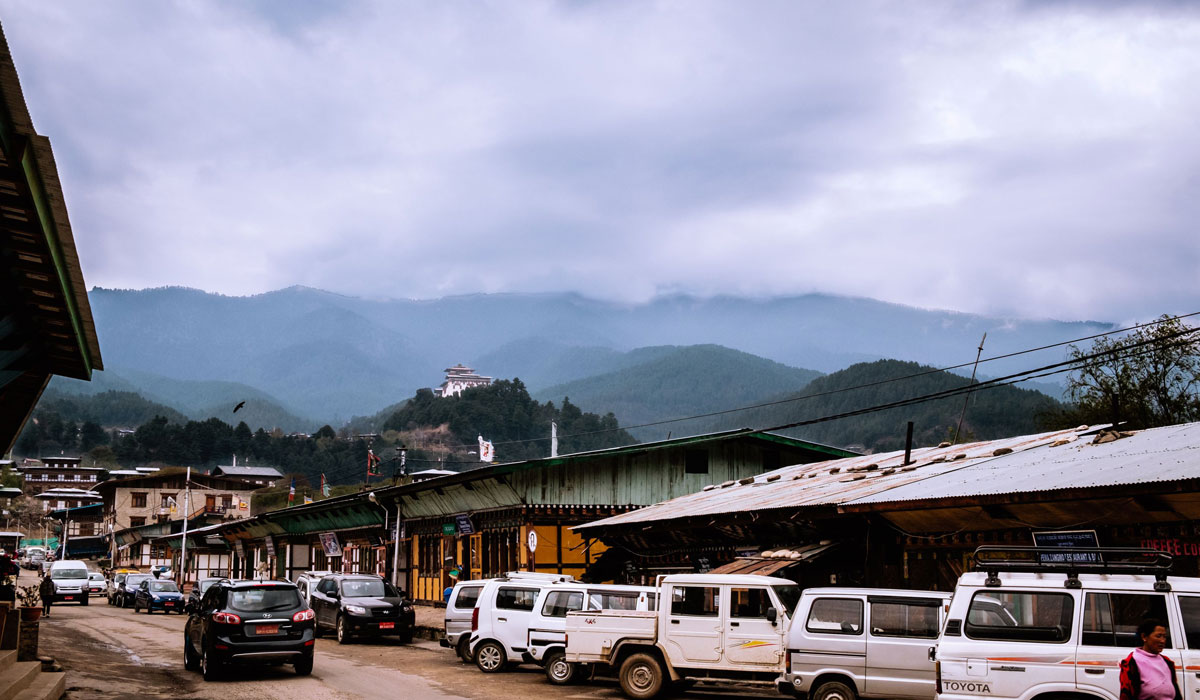
Jakar Dzong, also known as the “Castle of the White Bird,” is an iconic fortress situated on a ridge overlooking the Chokhor Valley in Bumthang, Bhutan. This majestic structure is not only an architectural marvel but also a significant cultural and historical landmark in the region.
Origins and Legend
The history of Jakar Dzong dates back to the 16th century when a monastery was first established on the site by Lam Ngagi Wangchuk, a Tibetan Buddhist lama. He arrived in Bumthang in 1519, spreading the teachings of the Drukpa Kagyu tradition and selecting the strategic hilltop site for his mission.
The name “Jakar,” meaning “white bird,” originates from a local legend. It is said that when the location for the dzong was being chosen, a white bird was seen landing on the hill. Interpreted as an auspicious sign, the site was deemed ideal for the fortress.
In 1646, the monastery was expanded into a full-fledged dzong by Trongsa Penlop Chogyal Minjur Tenpa, under the orders of Zhabdrung Ngawang Namgyal, the unifier of Bhutan.
Architectural Features
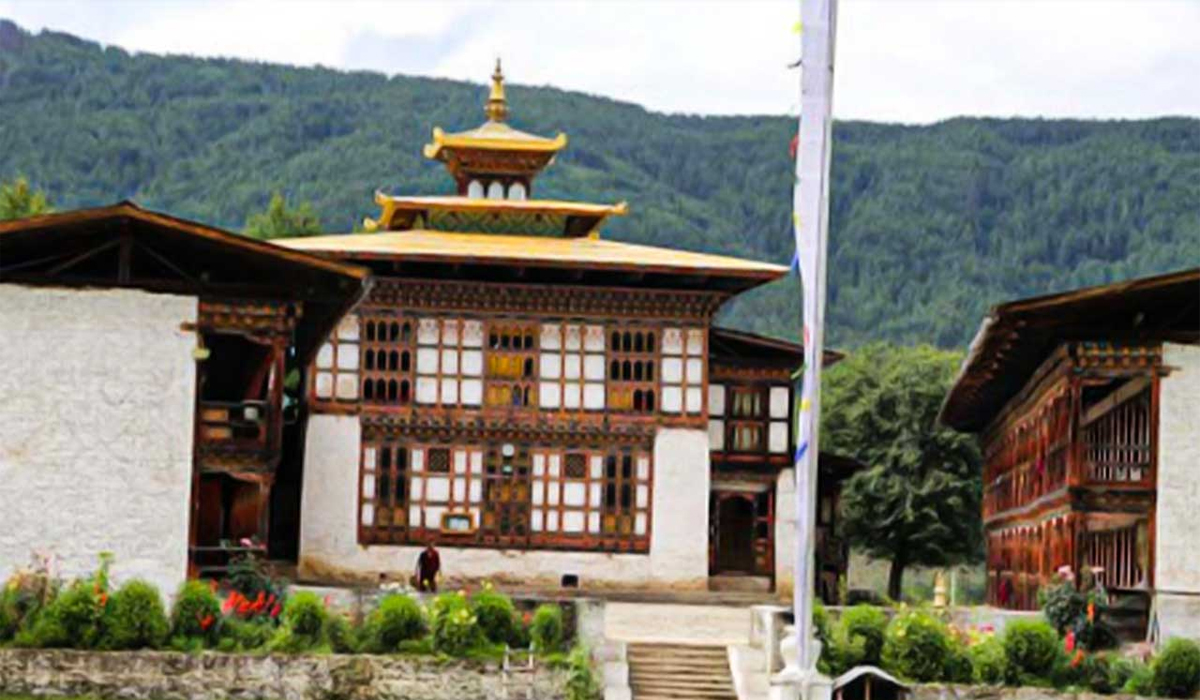
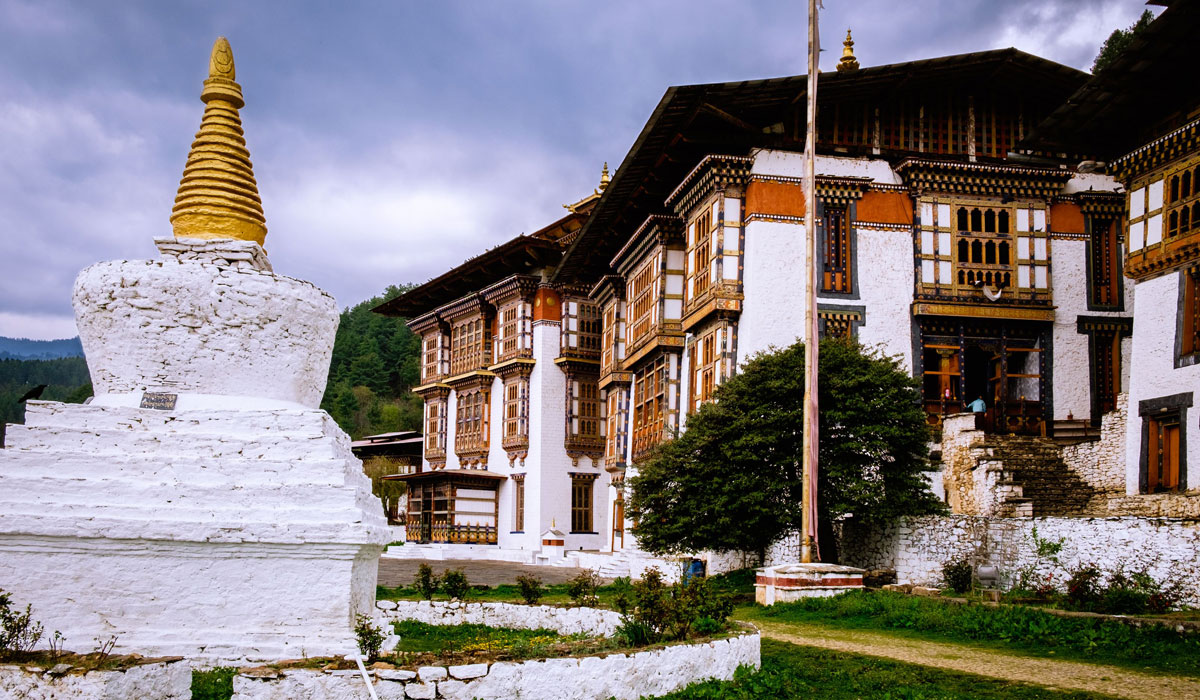
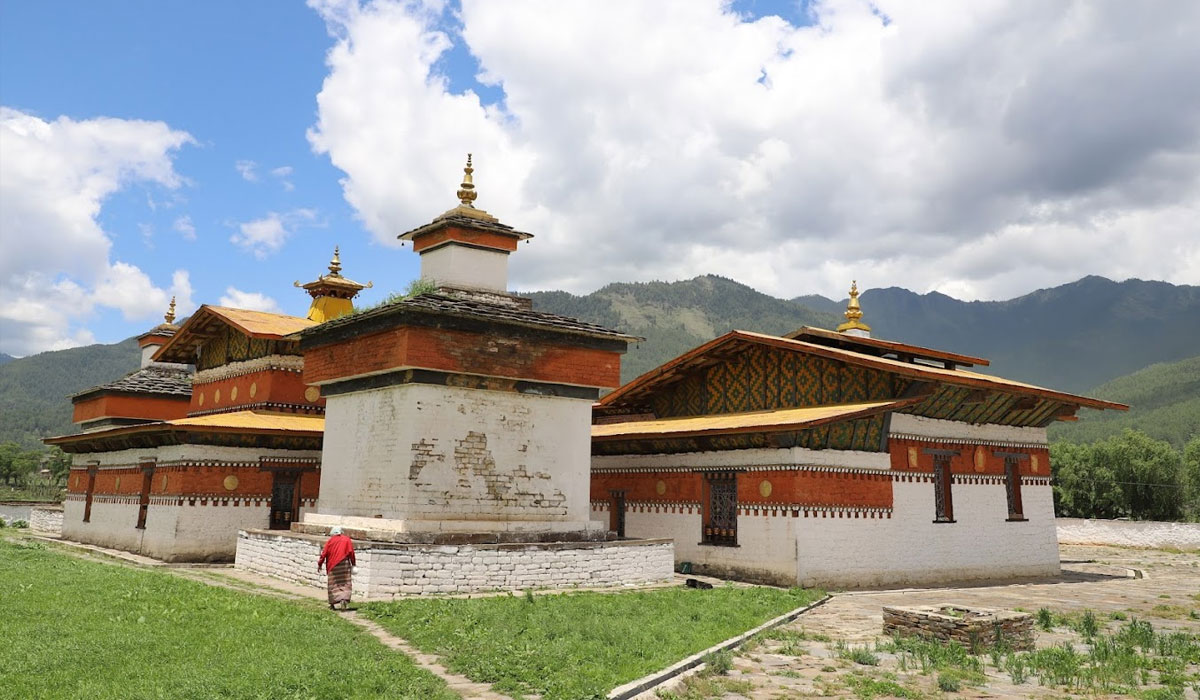
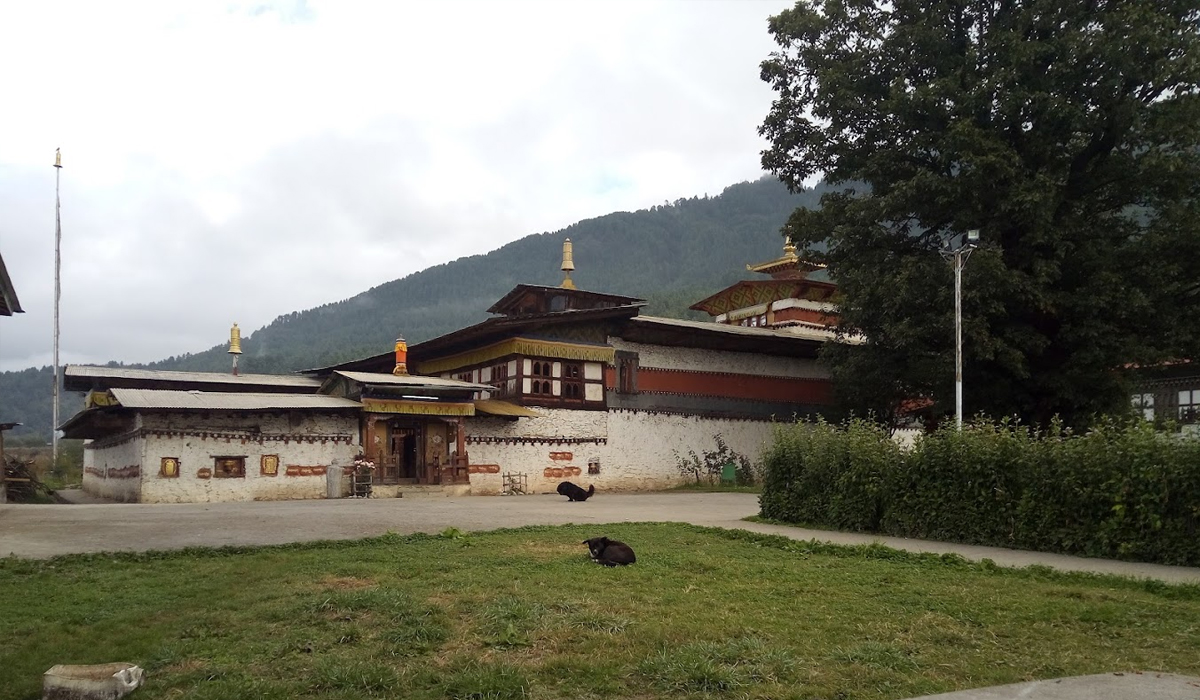
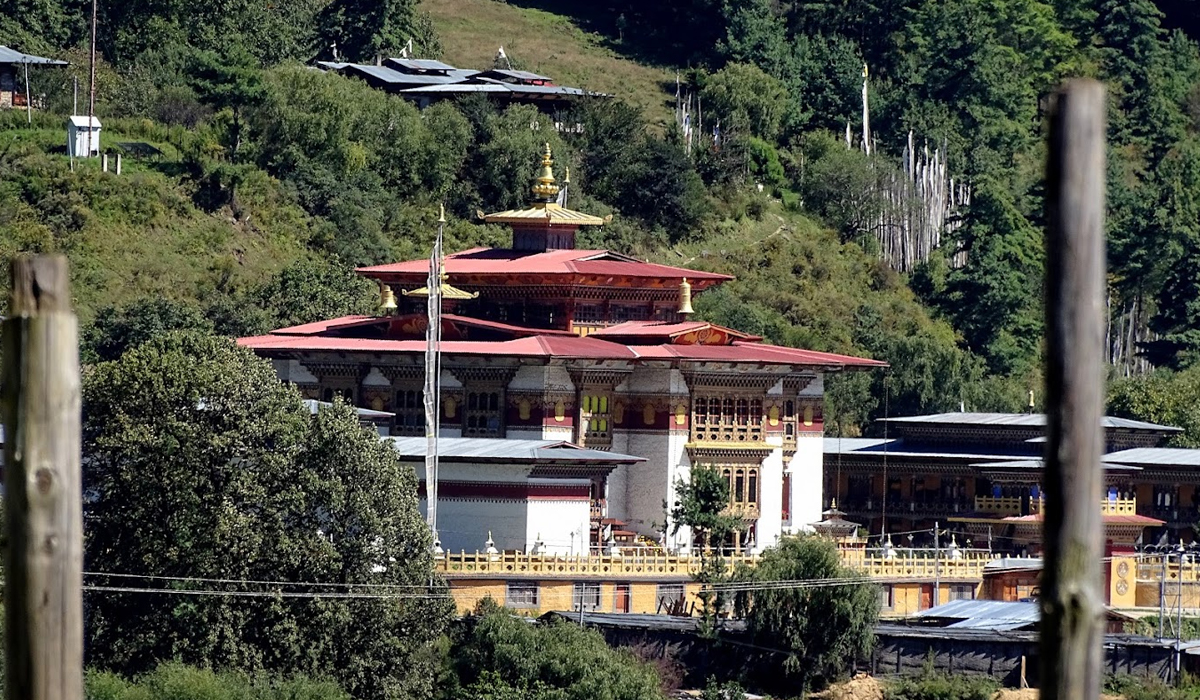
Jakar Dzong is one of Bhutan’s largest dzongs, measuring over 1,500 meters (4,900 feet) in circumference. The structure reflects traditional Bhutanese architecture, featuring massive whitewashed walls, intricate woodwork, and a central utse (tower).
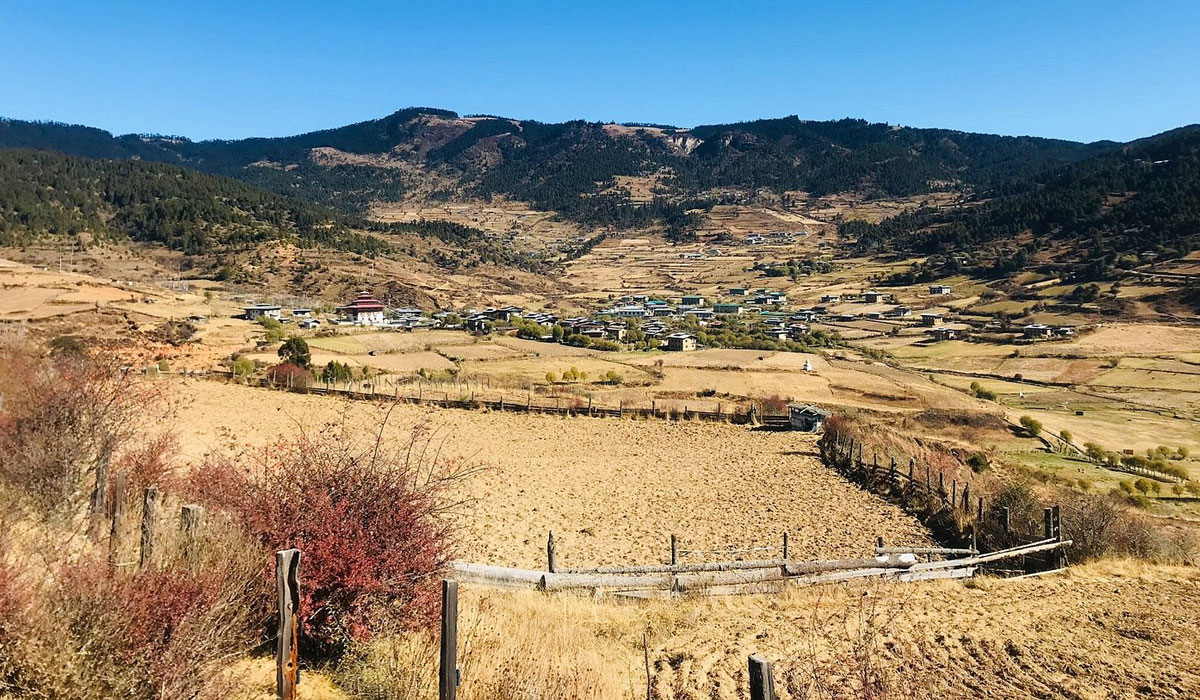
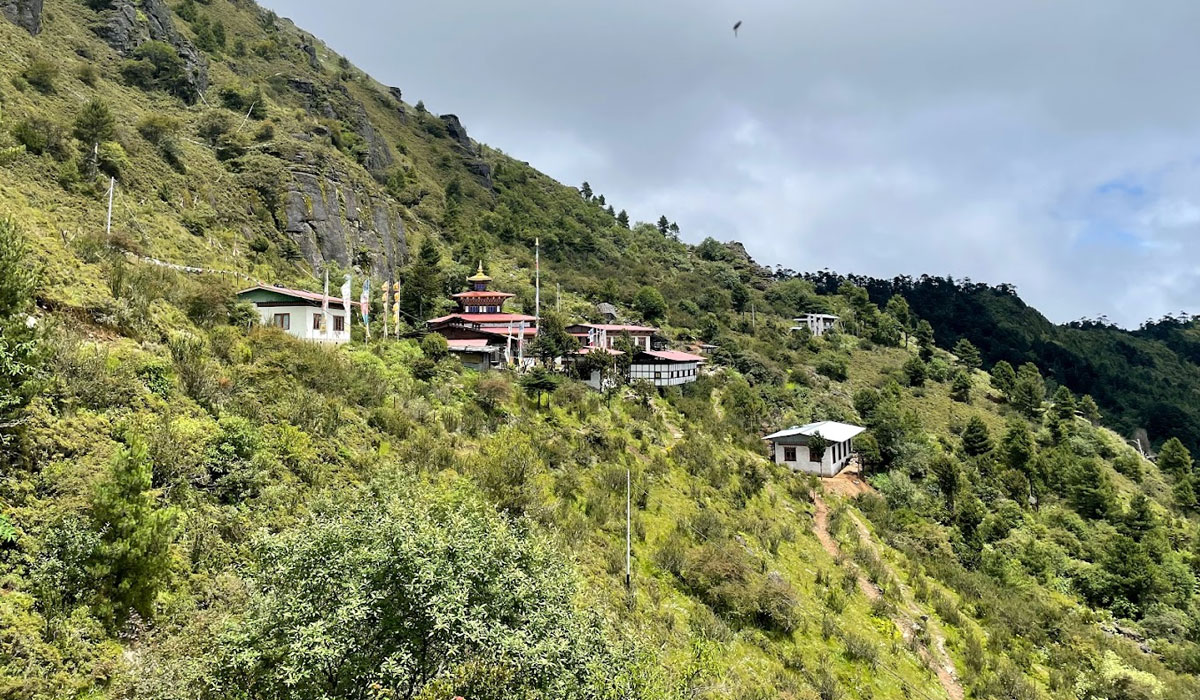
The dzong is strategically perched on a ridge, offering panoramic views of the Bumthang Valley. Its design incorporates both administrative and monastic functions, with various temples, courtyards, and living quarters for monks.
Religious and Cultural Significance
Jakar Dzong has played a vital role in the spiritual and administrative history of Bumthang. It serves as the seat of the district’s monastic body and is a key venue for religious ceremonies and festivals.
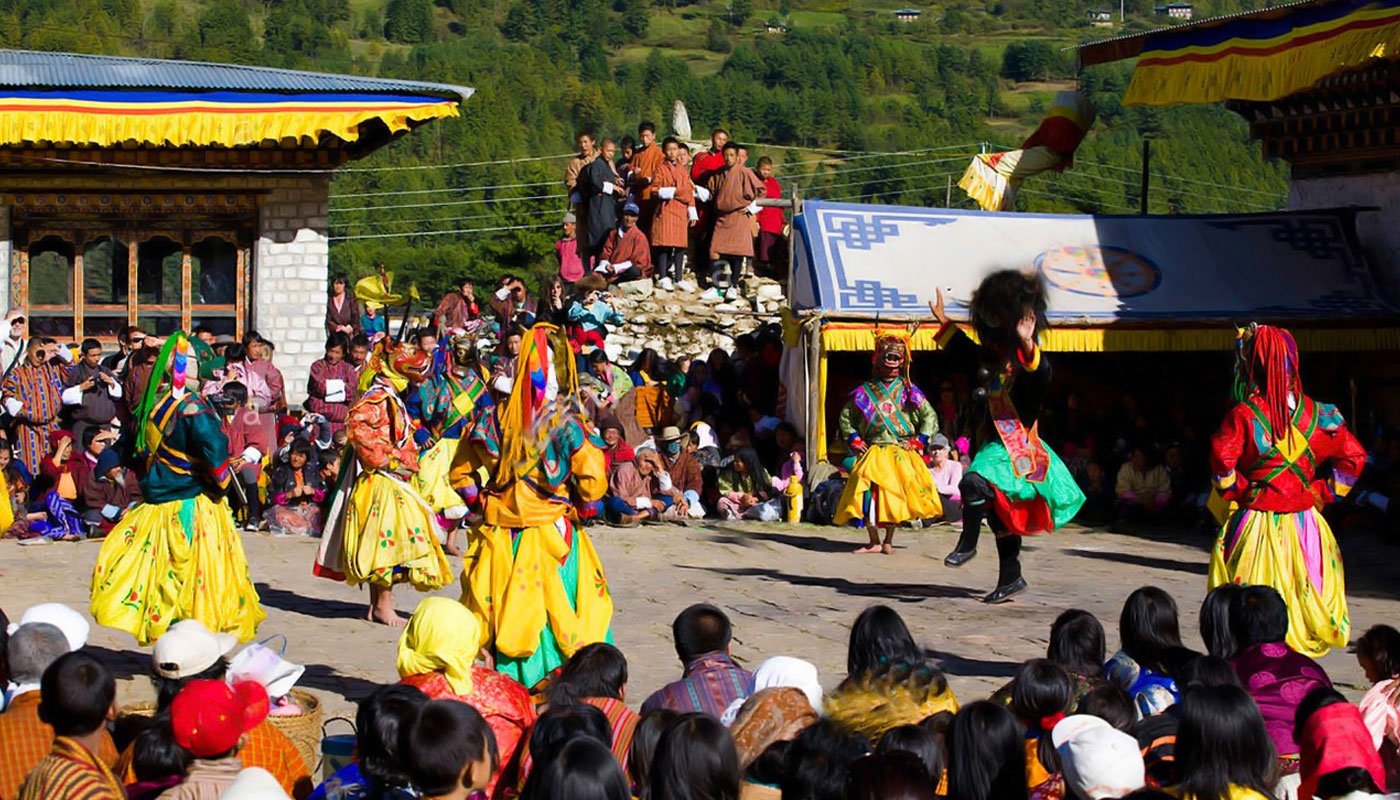
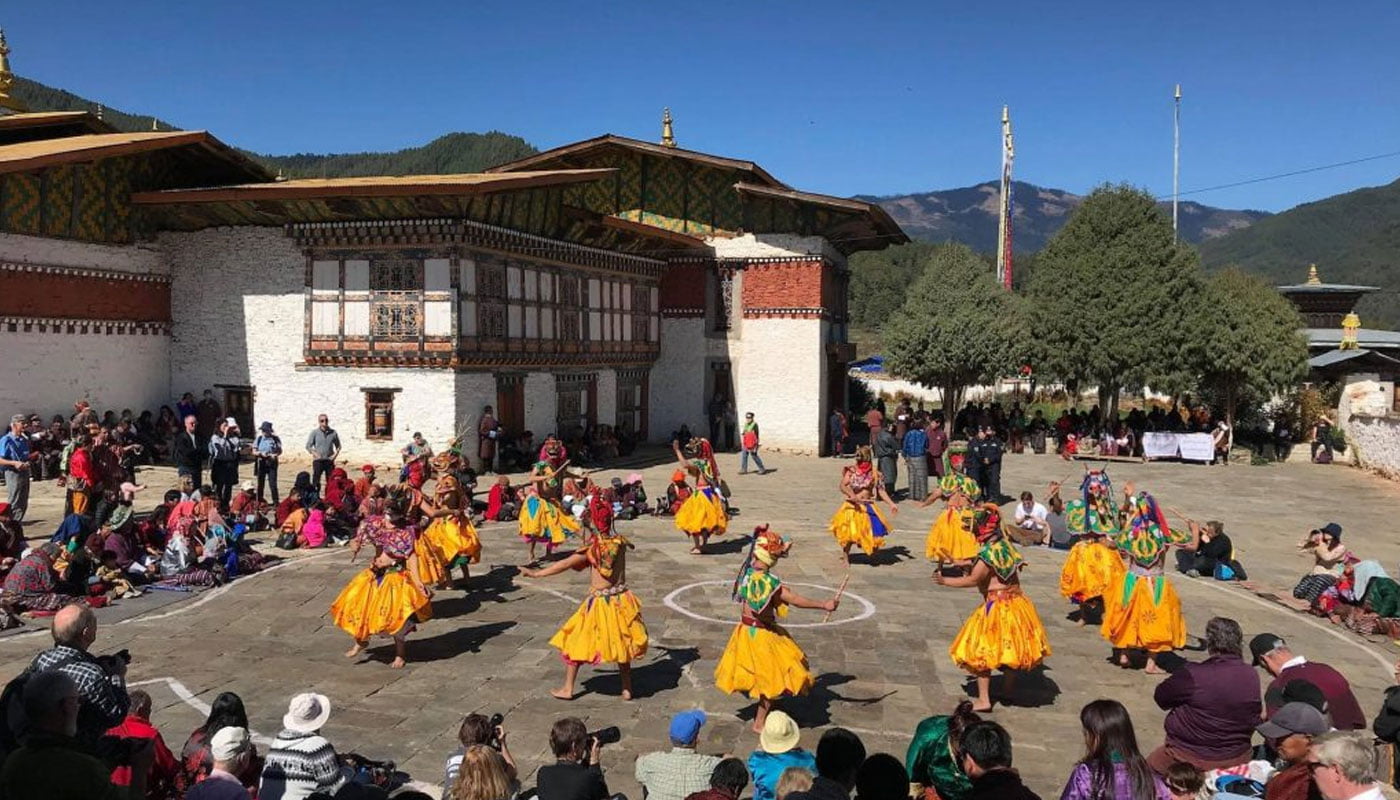
The dzong hosts the annual Jakar Tshechu, a vibrant festival featuring traditional mask dances, rituals, and cultural performances. This event attracts locals and visitors alike, fostering a sense of community and devotion.
Historical Importance
Jakar Dzong holds historical significance as a symbol of Bhutan’s resistance and unification. It served as a stronghold for the Drukpa rulers during Bhutan’s early political consolidation and remains a testament to the enduring legacy of the Zhabdrung’s governance.
Preservation and Legacy
Today, Jakar Dzong stands as a well-preserved example of Bhutanese architecture and cultural heritage. Its timeless beauty and historical importance make it a must-visit site for travelers exploring Bumthang. The fortress continues to inspire awe and reverence, embodying Bhutan’s unique blend of spirituality, culture, and history.
For Bhutanese, Jakar Dzong is not just a fortress but a sacred and cultural heart of their homeland, connecting them to their past while guiding their present spiritual practices.