National Institute for Zorig Chusum: Preserving Bhutan’s Traditional Arts
The National Institute for Zorig Chusum, also known as the Institute of Traditional Arts and Crafts, is a prestigious institution in Bhutan dedicated to preserving and promoting the country’s thirteen traditional arts and crafts (Zorig Chusum). Located in Thimphu, this institute plays a vital role in ensuring that Bhutan’s rich artistic heritage is passed down to future generations.
Historical Background
The institute was established in 1971 under the guidance of the Bhutanese government to safeguard the Zorig Chusum, a set of traditional arts and crafts deeply rooted in Bhutanese culture. These artistic disciplines have been practiced for centuries and are essential to the country’s architectural, religious, and artistic identity.
The Thirteen Arts & Crafts (Zorig Chusum)
The National Institute for Zorig Chusum teaches the following thirteen traditional art forms:
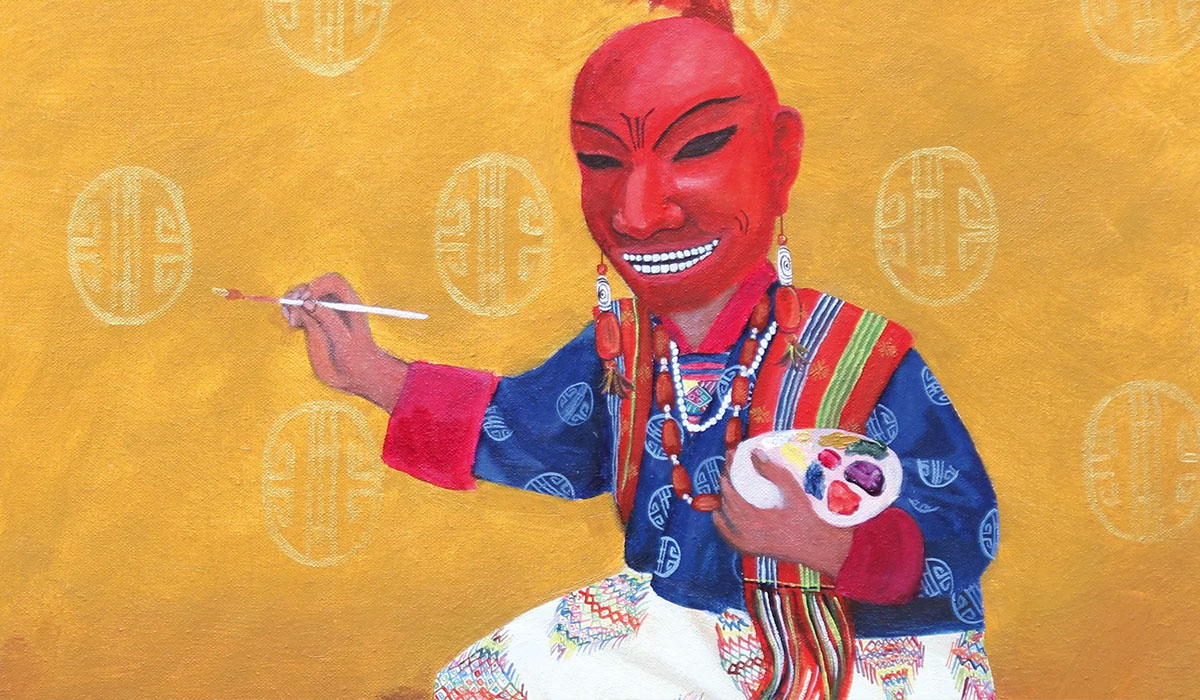
- Lhazo (Painting) – Thangka painting and wall murals.
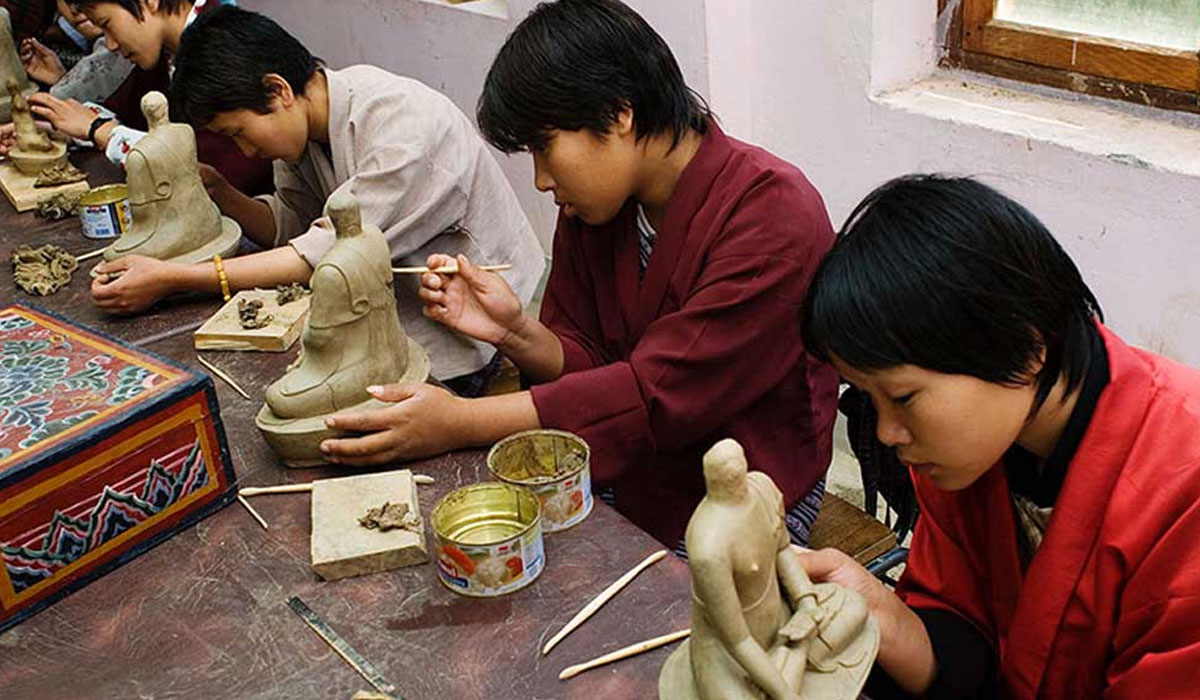
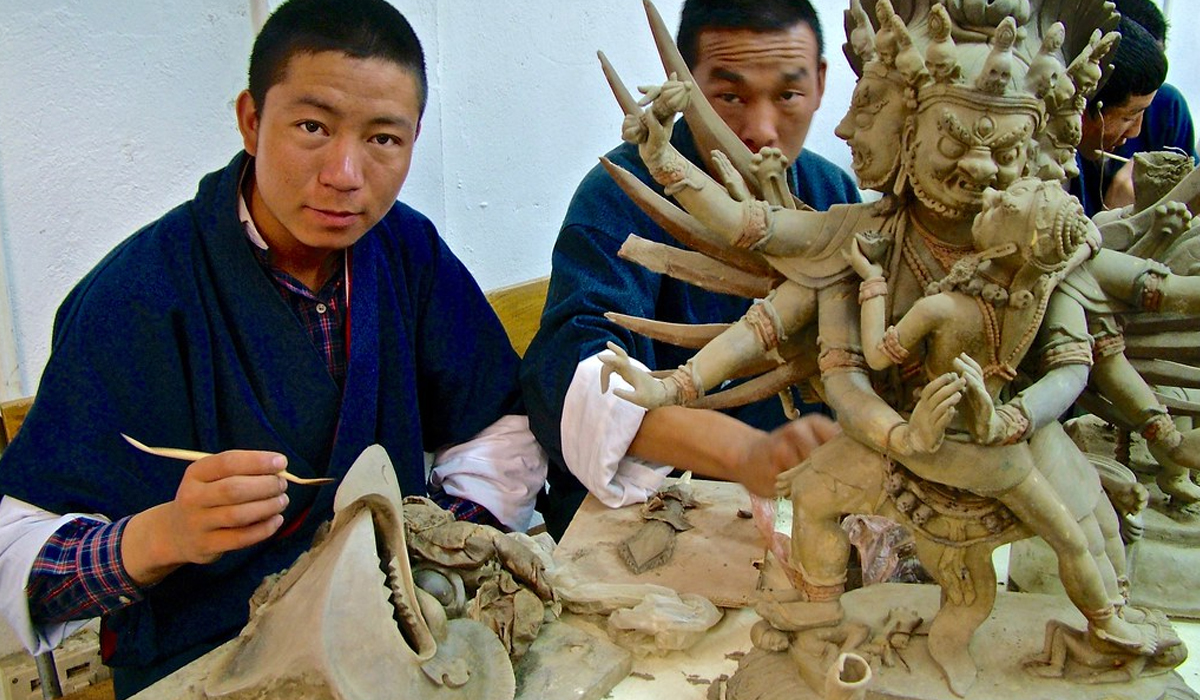
- Jimzo (Sculpting) – Clay sculpture of religious figures.
- Parzo (Carving) – Wood, slate, and stone carving.
- Jinzo (Pottery) – Traditional Bhutanese pottery making.
- Lugzo (Bronze Casting) – Metal casting for statues and religious objects.
- Garzo (Blacksmithing) – Crafting iron tools and religious items.
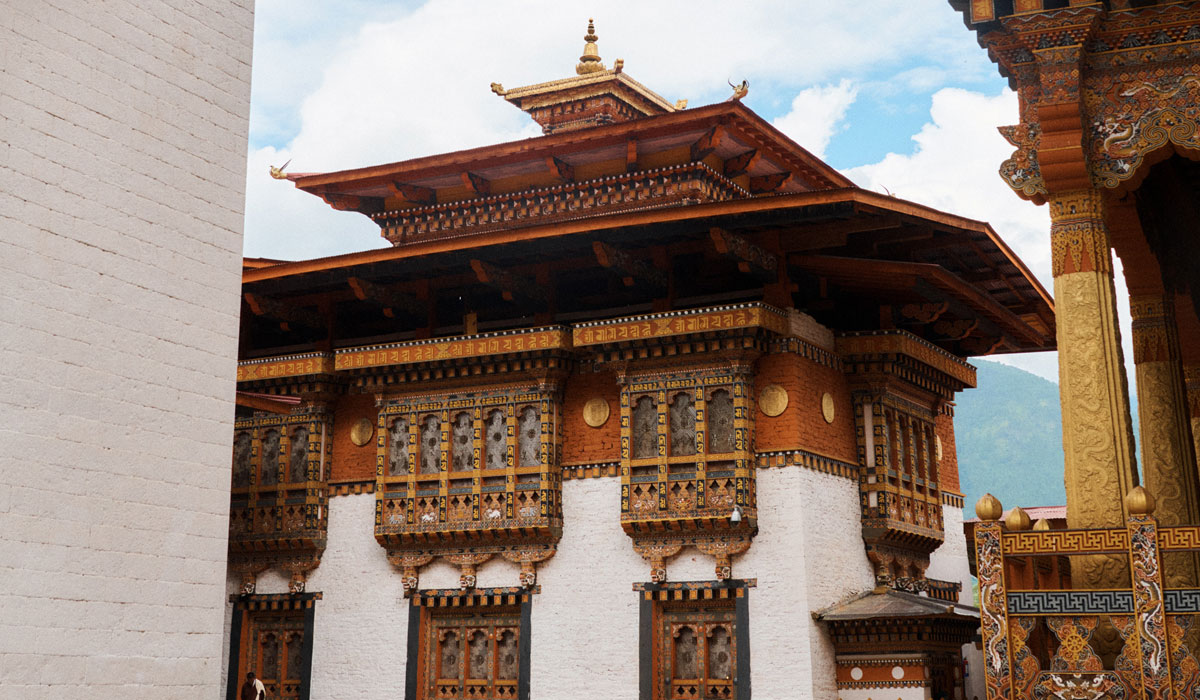
- Shingzo (Woodwork & Carpentry) – Construction of temples and dzongs.
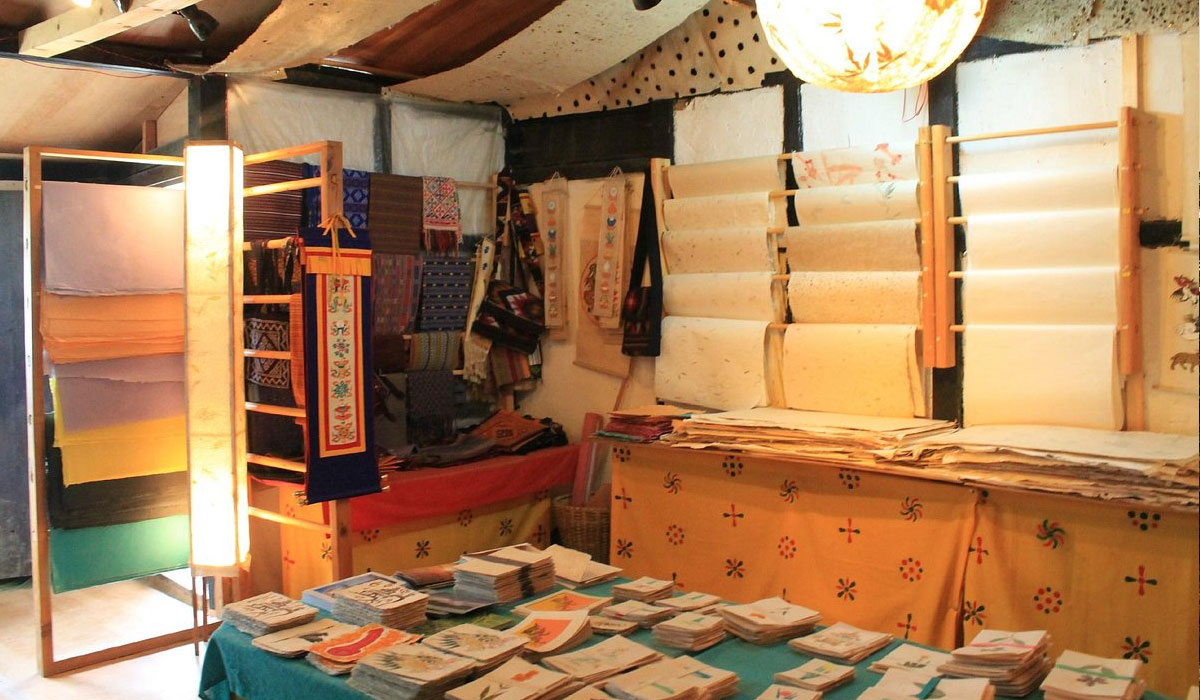
- Dezo (Paper Making) – Handmade Bhutanese paper production.
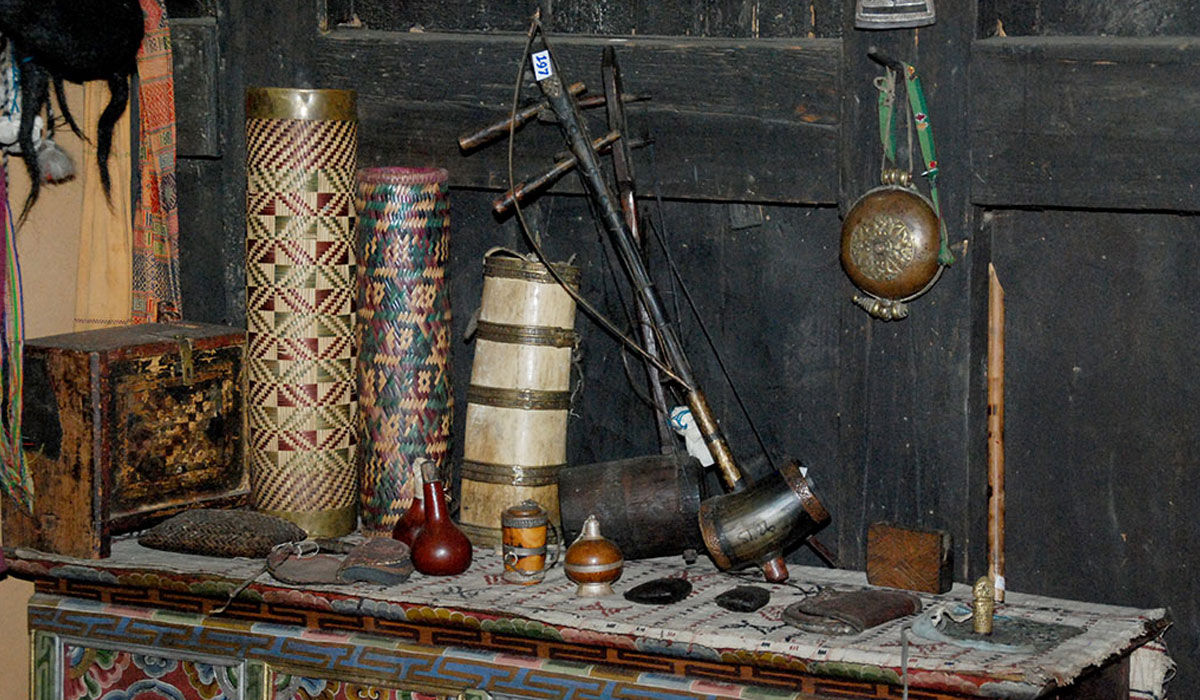
- Tshazo (Bamboo & Cane Crafting) – Weaving bamboo products.
- Thagzo (Weaving) – Traditional textile weaving.
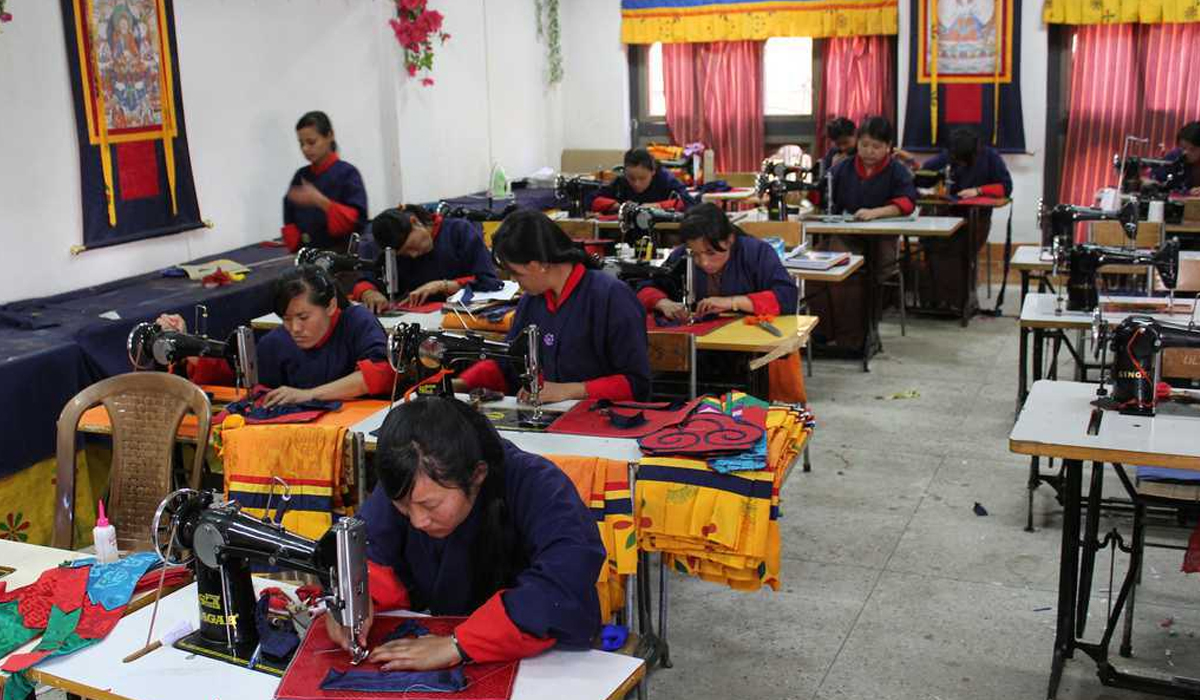
- Tshemzo (Embroidery & Tailoring) – Embroidering religious textiles and clothing.
- Dozo (Stonework & Masonry) – Construction using traditional stone masonry.
- Serzo (Gold & Silver Crafting) – Creating ornaments and religious artifacts.
Educational Program
Students at the institute undergo 4-6 years of intensive training, specializing in one or more of the Zorig Chusum arts. Highly skilled masters pass down their knowledge, ensuring that Bhutan’s traditional craftsmanship remains alive. The institute also provides students with opportunities to work on real-life projects, such as temple decorations, wood carvings, and statue-making for monasteries.
Visitor Experience
The National Institute for Zorig Chusum is open to visitors, offering an insightful experience into Bhutan’s artistic traditions. Guests can observe students painting intricate thangkas, sculpting religious statues, or weaving elaborate textiles. A small shop within the institute sells authentic handcrafted artwork made by students.
Cultural & Spiritual Significance
The institute plays a crucial role in preserving Bhutan’s cultural heritage. Many of the traditional arts are closely tied to Buddhist religious practices, and the skills learned here contribute to the maintenance of temples, monasteries, and dzongs across Bhutan.
Preservation & Community Role
With modernization, there is a growing need to safeguard traditional Bhutanese craftsmanship. The institute not only preserves the Zorig Chusum but also provides employment opportunities for young Bhutanese artisans. Many graduates go on to become professional artists, monks, or teachers, further promoting Bhutan’s unique artistic legacy.