Dochula Pass: A Scenic Gateway to Bhutan’s Natural Beauty
Dochula Pass, located approximately 30 kilometers (18 miles) from Thimphu, Bhutan’s capital, is a breathtaking mountain pass that offers stunning views of the Himalayan range and a glimpse into Bhutan’s rich cultural heritage. Situated at an elevation of 3,100 meters (10,171 feet), it serves as a popular stopover for travelers journeying to the eastern parts of the country.
Historical Background
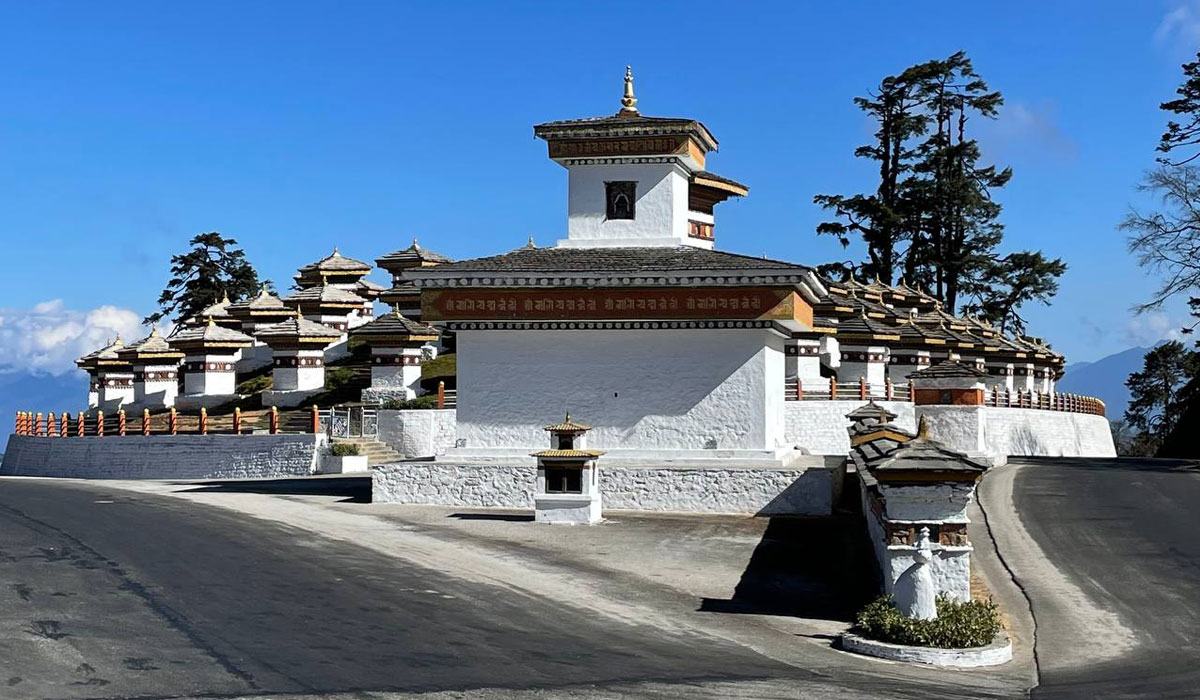
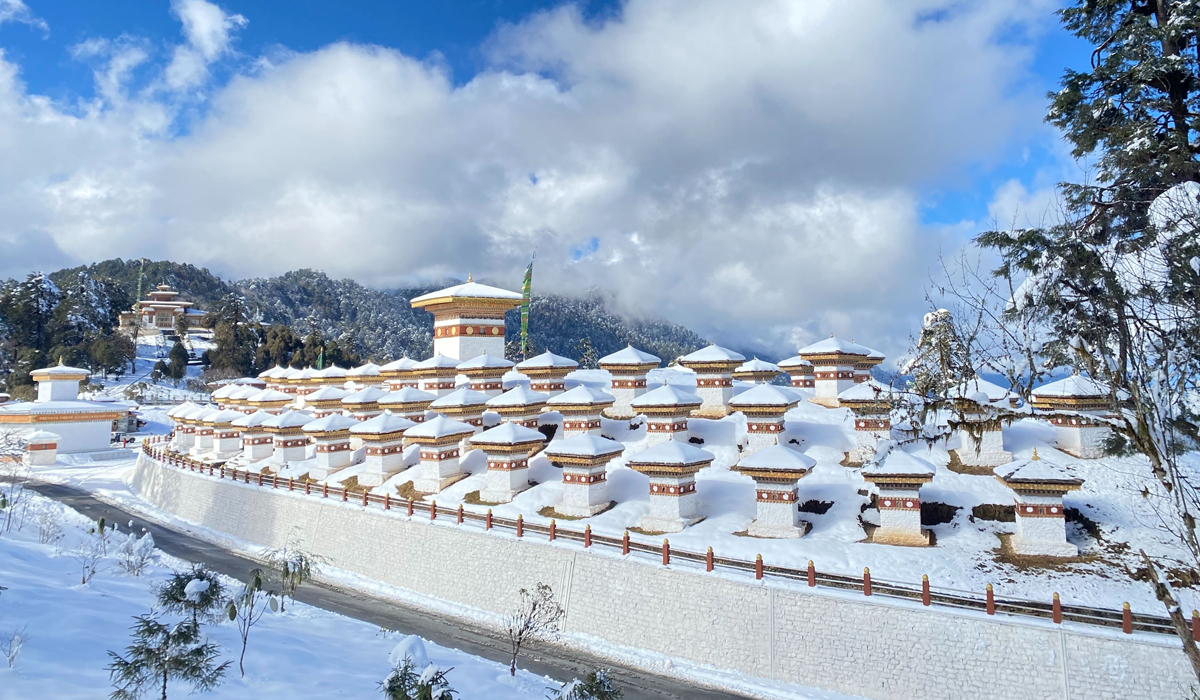
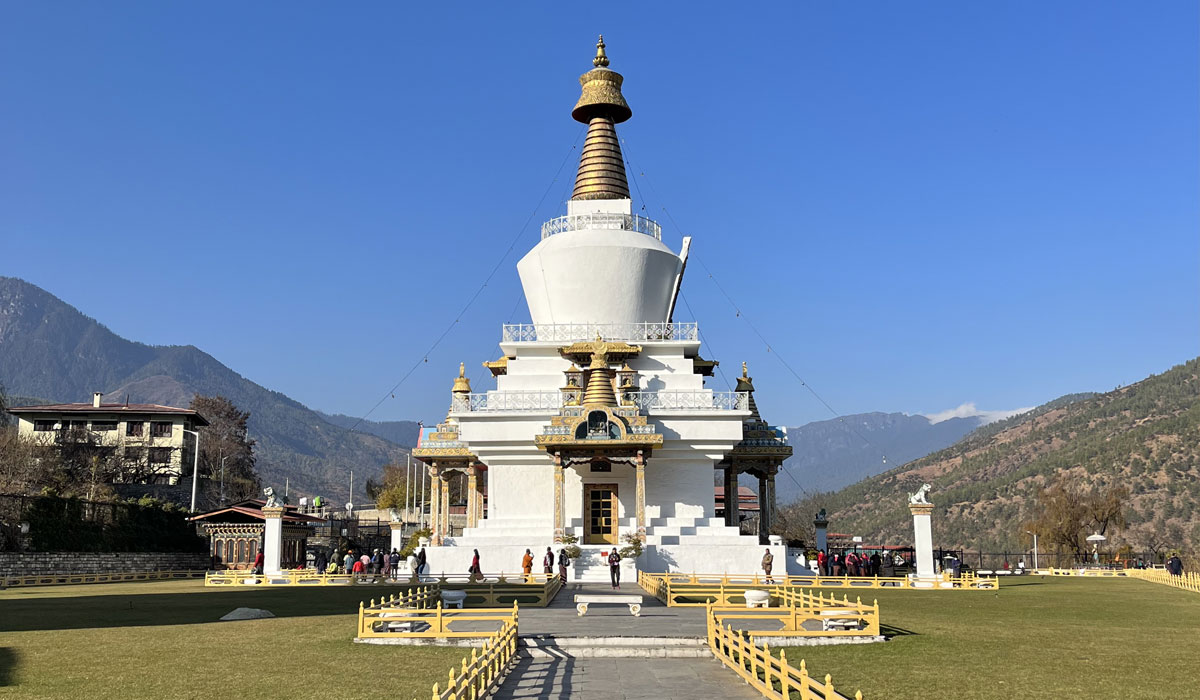
Dochula Pass is not only known for its natural beauty but also holds historical significance. It was built in honor of the Bhutanese soldiers who lost their lives during the military conflict with India in 2003. The pass features a beautiful memorial chorten, Druk Wangyal Chorten, and 108 stupas, known as Druk Wangyal Khangzang Chortens, which were constructed to honor these soldiers and promote peace.
Scenic Beauty
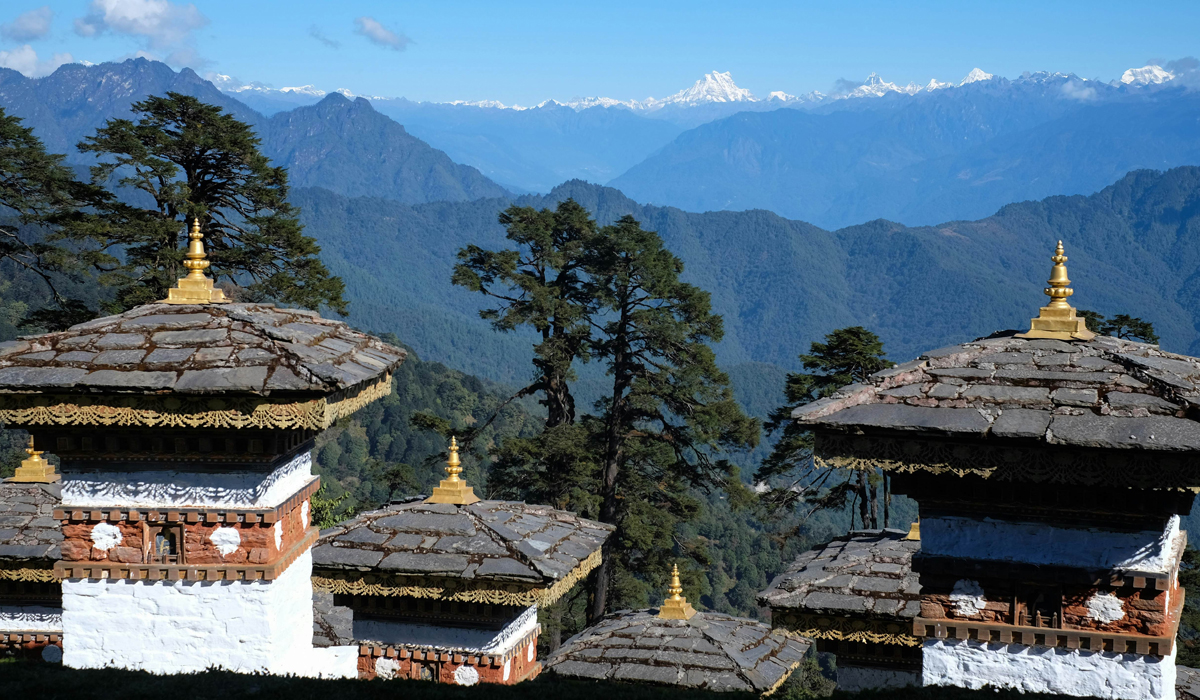
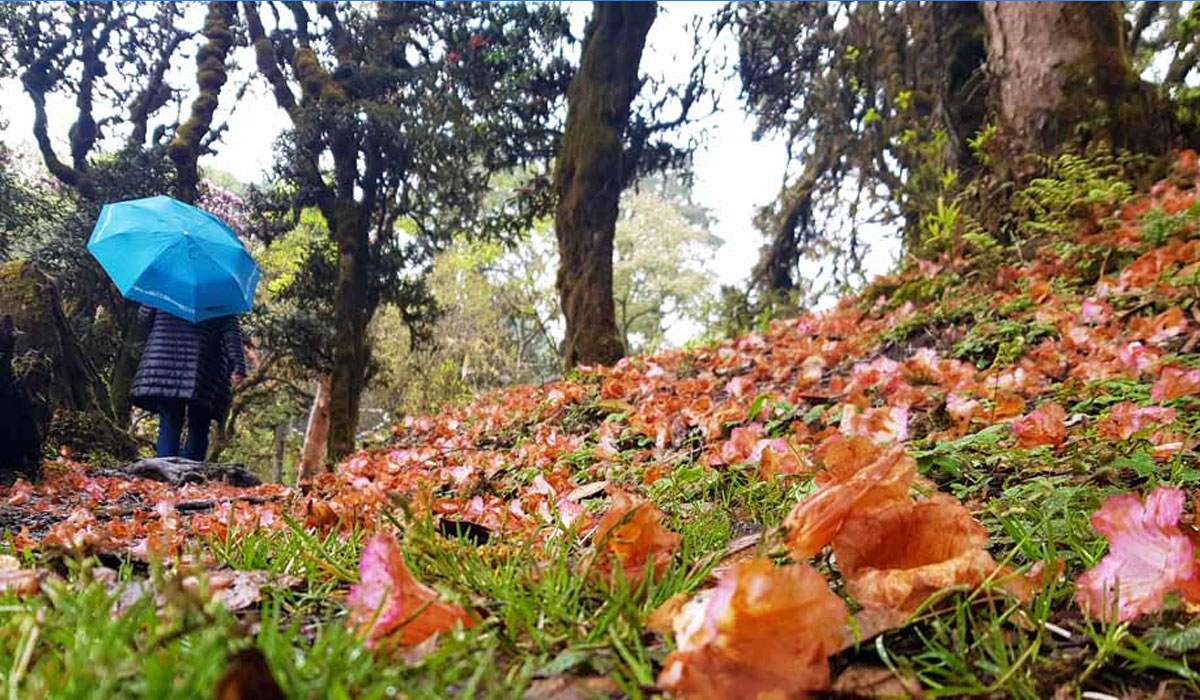
One of the main attractions of Dochula Pass is its panoramic views of the Eastern Himalayas, especially on clear days when the majestic peaks, including Gangkar Puensum, Bhutan’s highest mountain, can be seen. The lush forests and terraced fields surrounding the pass add to its picturesque landscape, making it a favorite spot for photography and nature lovers.
Cultural Significance
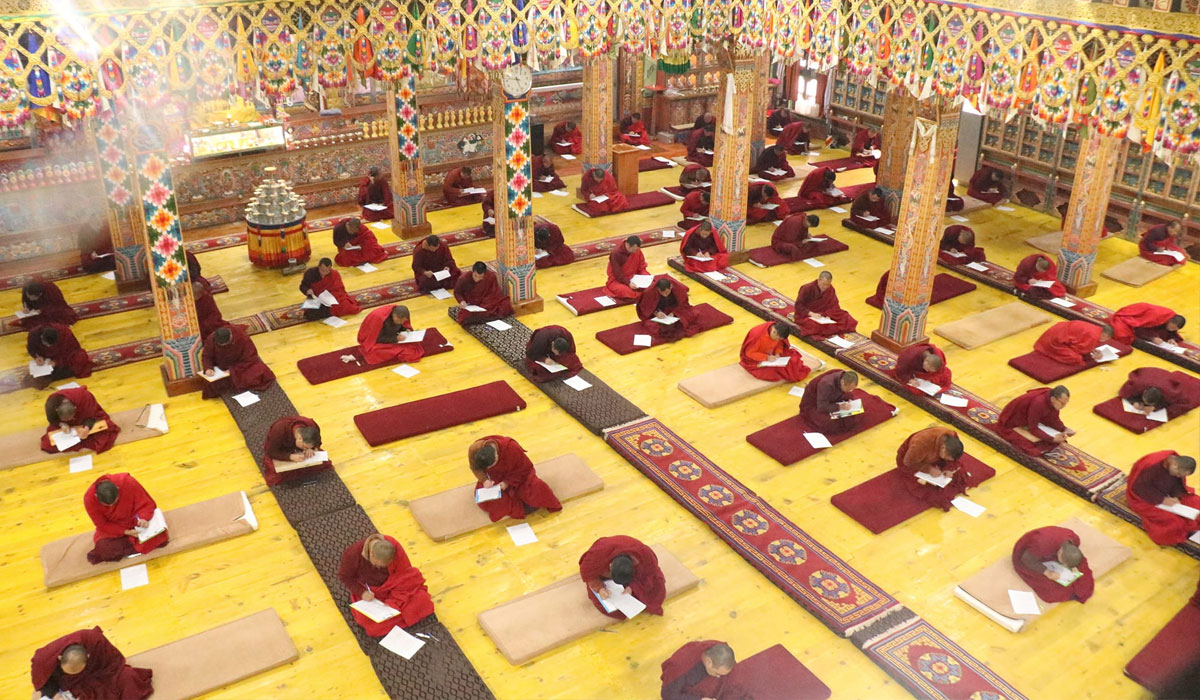
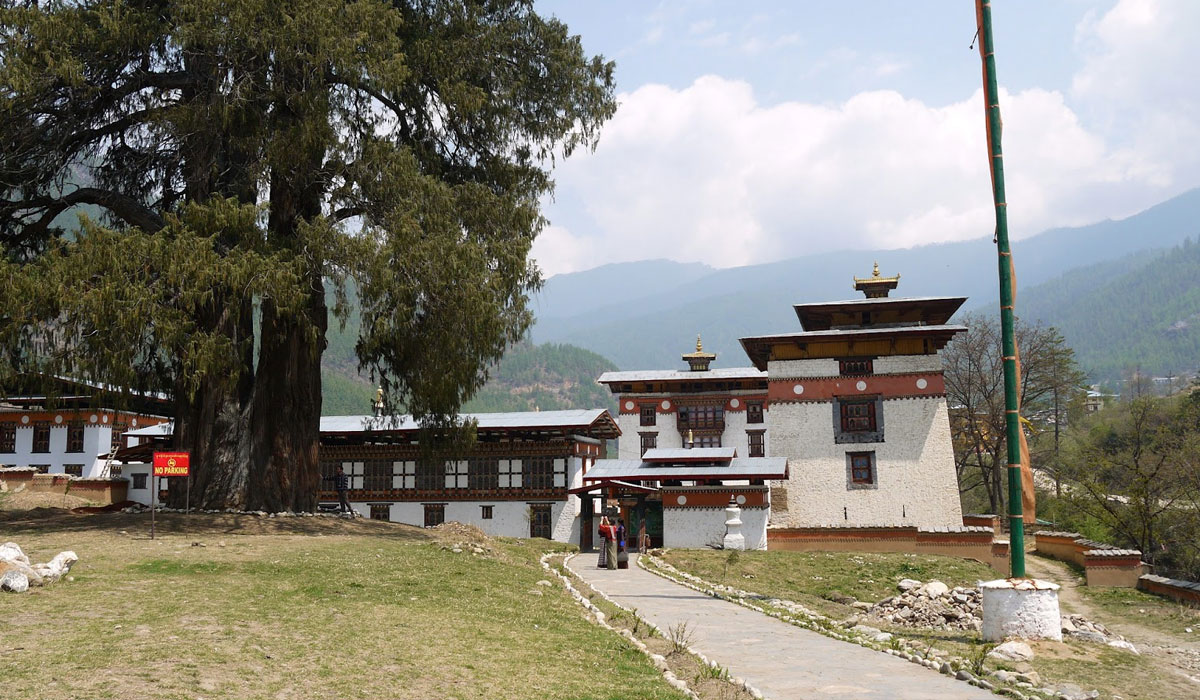
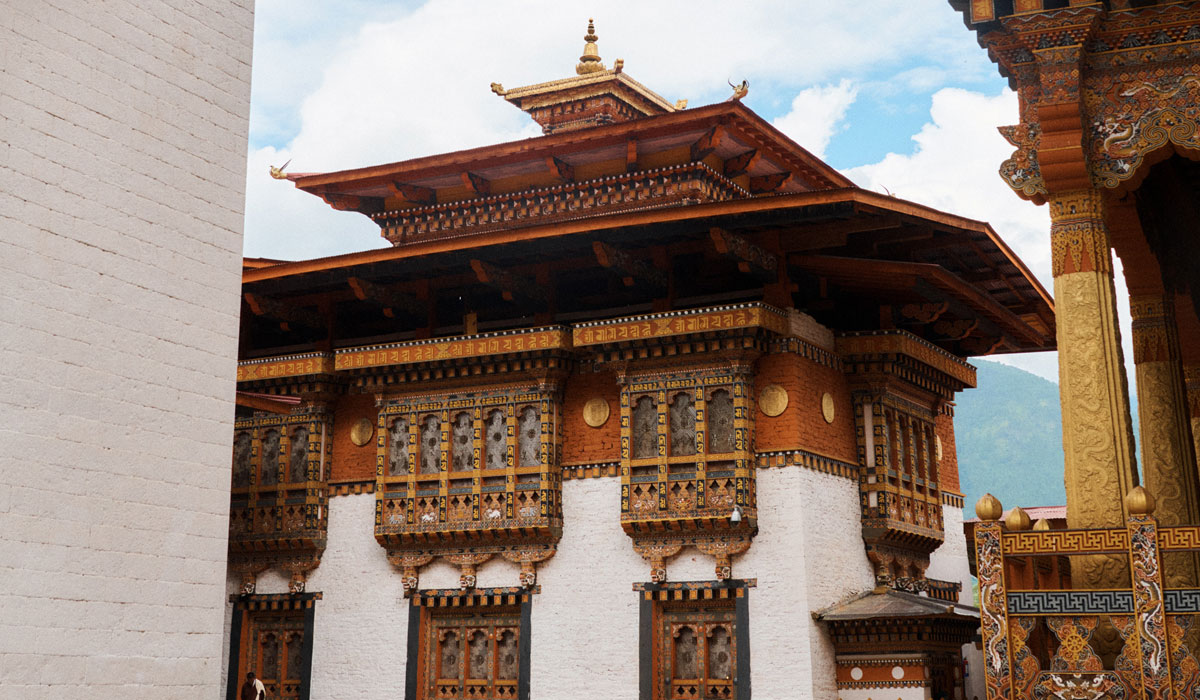
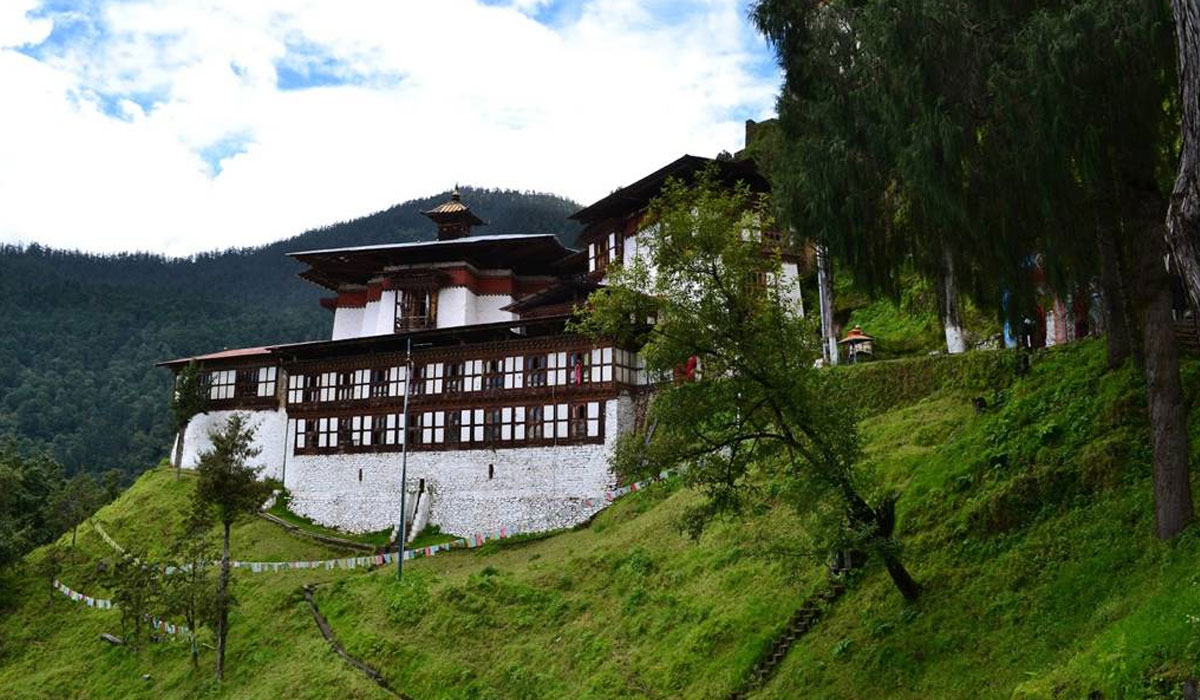
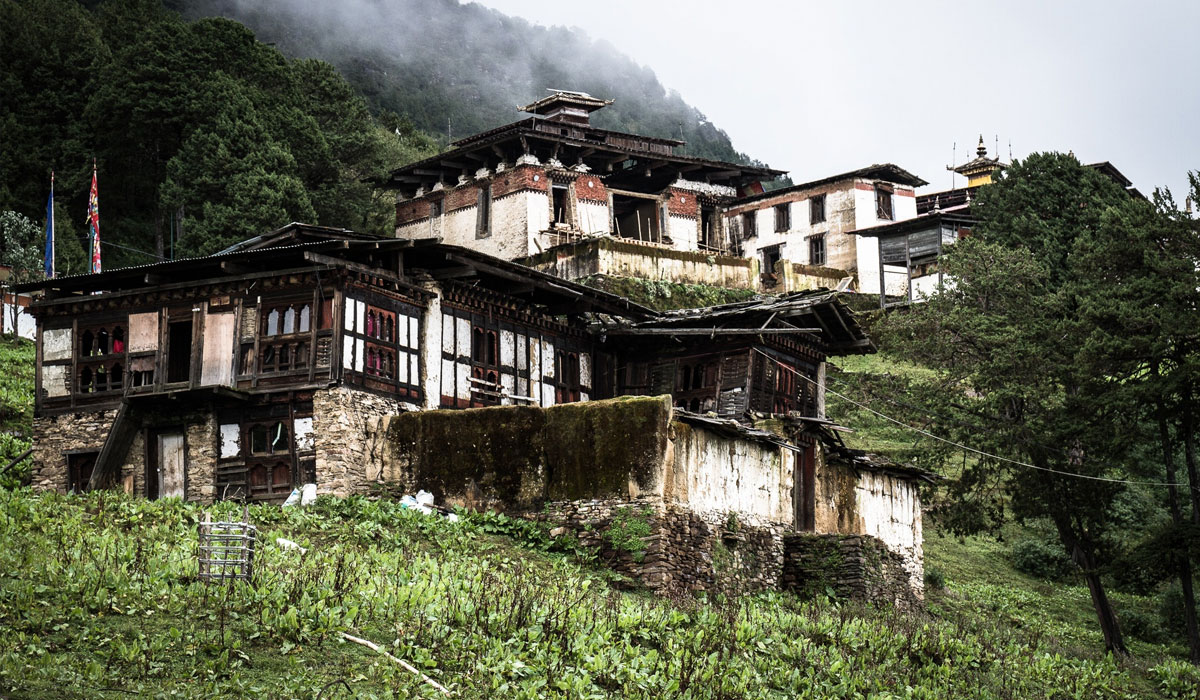
The area around Dochula Pass is rich in cultural heritage. Visitors can explore the various stupas, prayer flags, and traditional architecture that reflect Bhutan’s Buddhist traditions. The Druk Wangyal Lhakhang, a temple located near the pass, is a site of pilgrimage and offers spiritual solace to visitors.
Accessibility
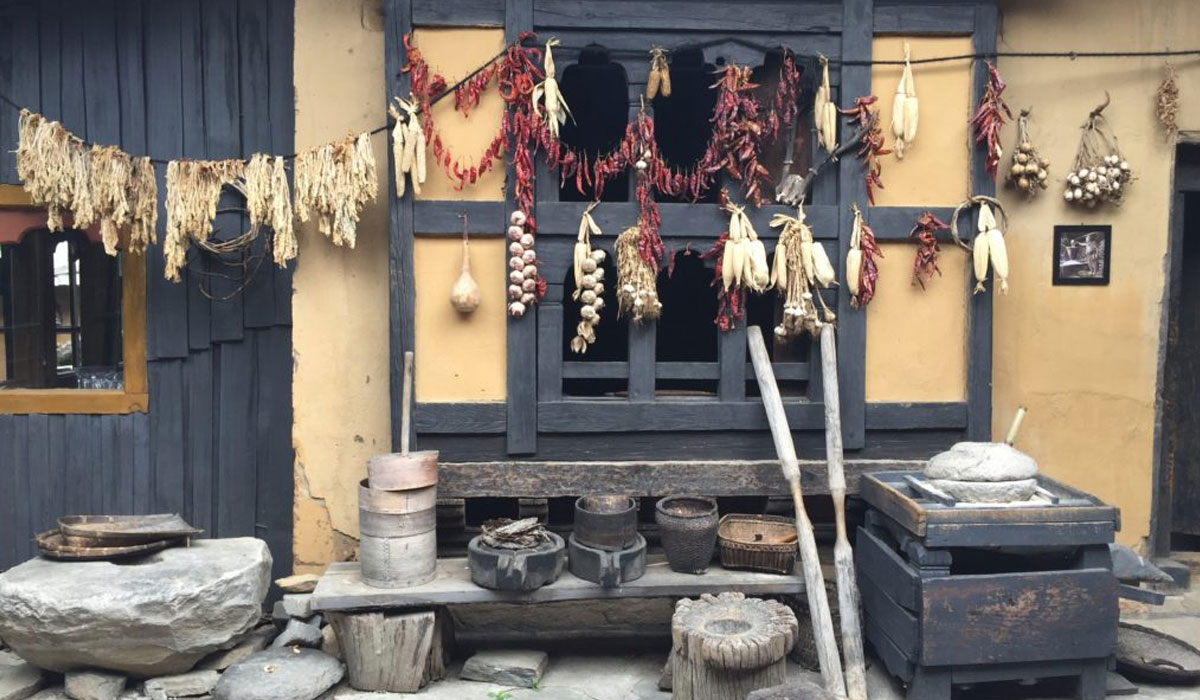
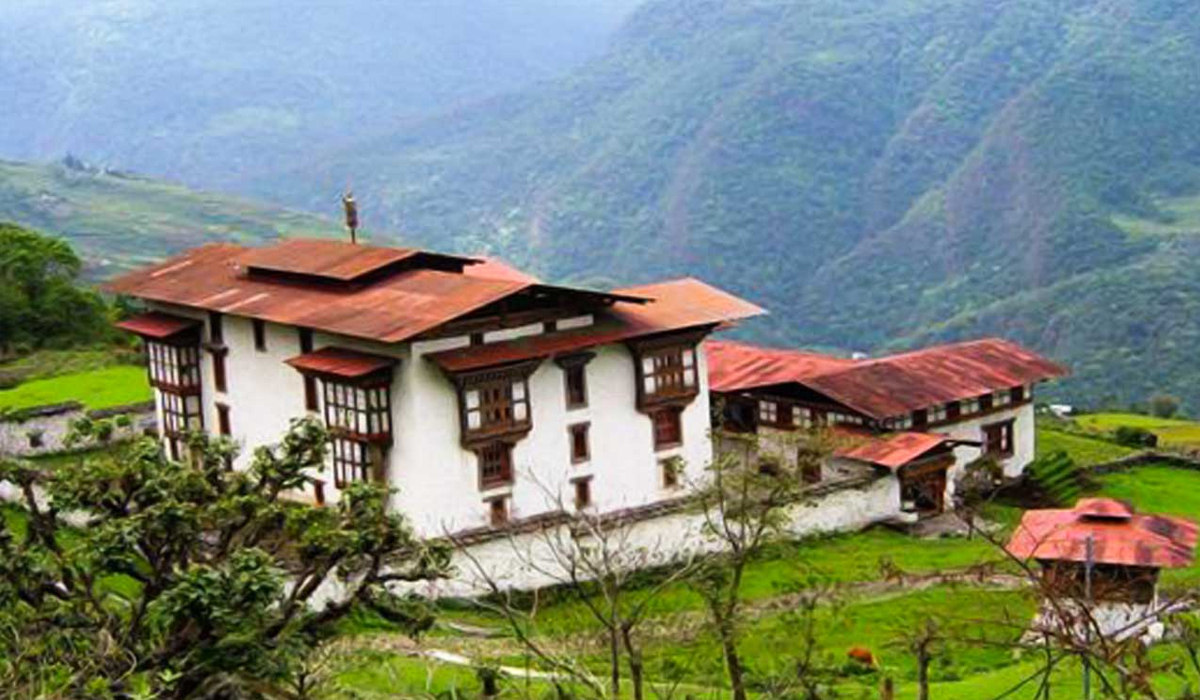
Dochula Pass is easily accessible from Thimphu, making it a convenient destination for day trips. The journey to the pass takes travelers through picturesque valleys and charming villages, offering a glimpse into rural Bhutanese life.
Activities and Experiences
Travelers visiting Dochula Pass can engage in several activities, including:
- Nature Walks: Exploring the surrounding trails, which provide opportunities for birdwatching and enjoying the diverse flora and fauna.
- Photography: Capturing the stunning landscapes and cultural sites, particularly during sunrise and sunset.
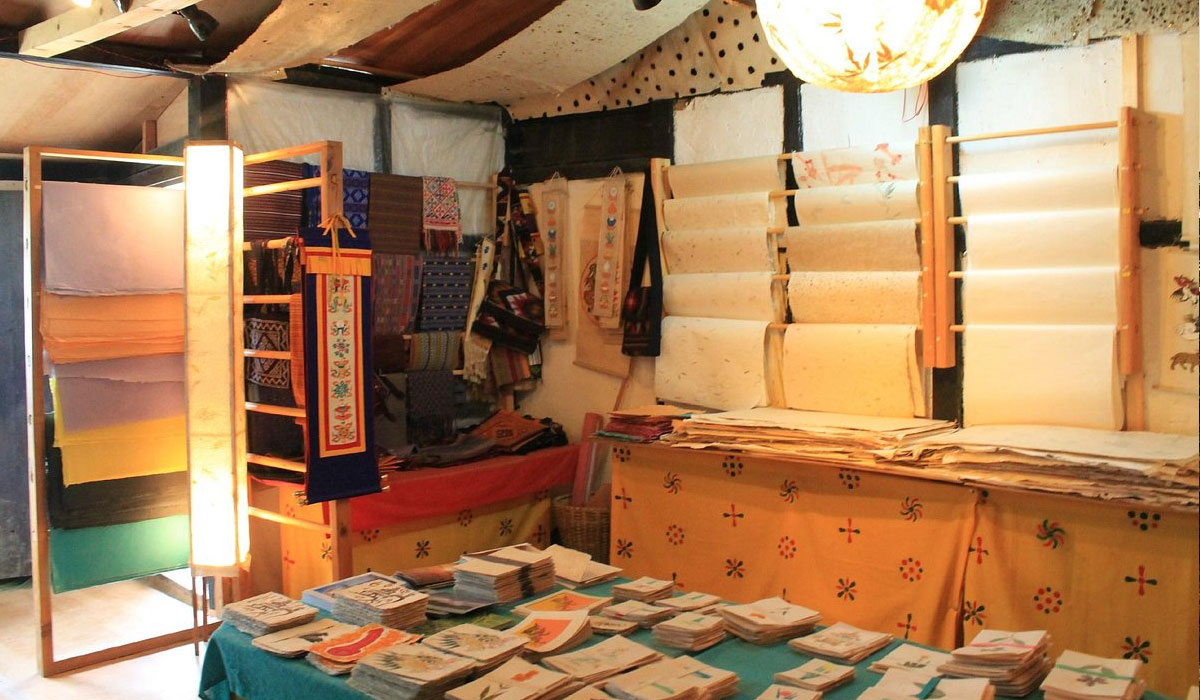
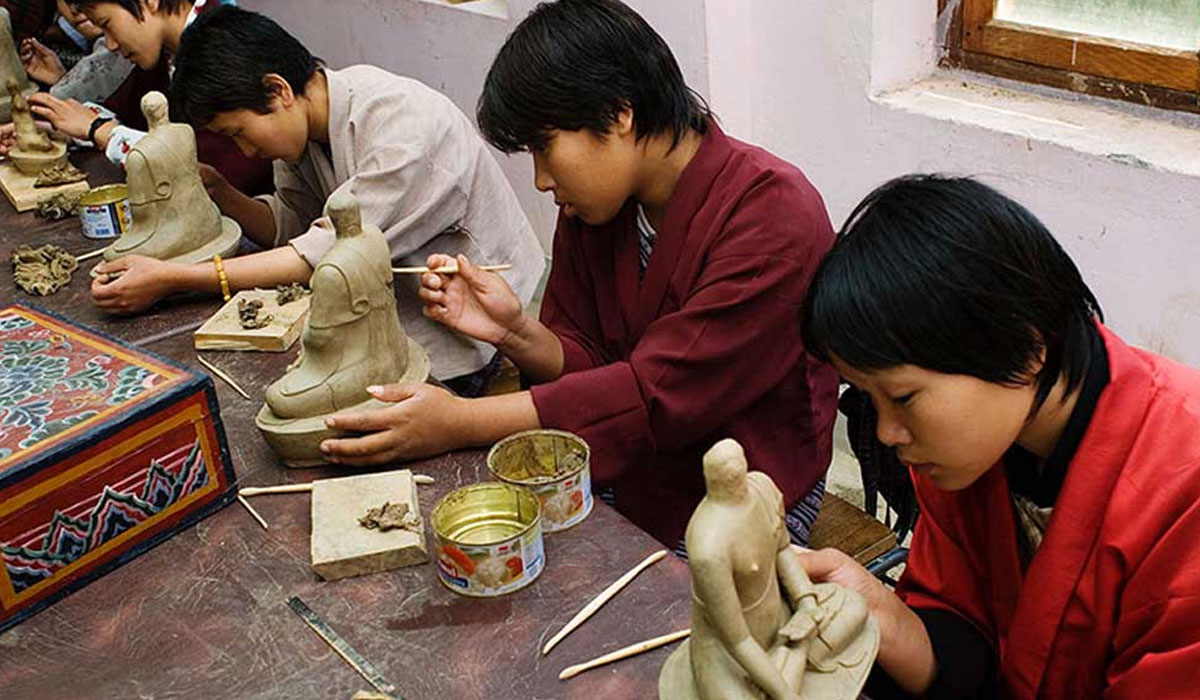
- Cultural Exploration: Visiting the nearby monasteries and engaging with local artisans to learn more about Bhutanese culture.