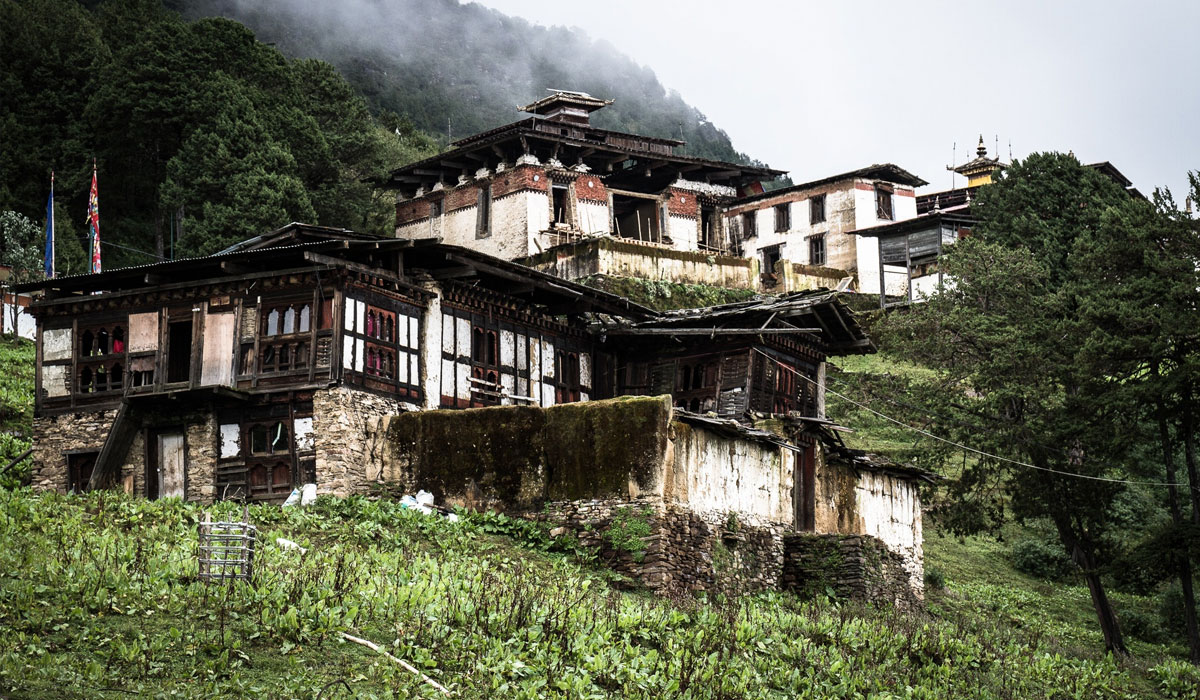
Institute of Traditional Medical Services: Preserving Bhutan’s Medicinal Heritage
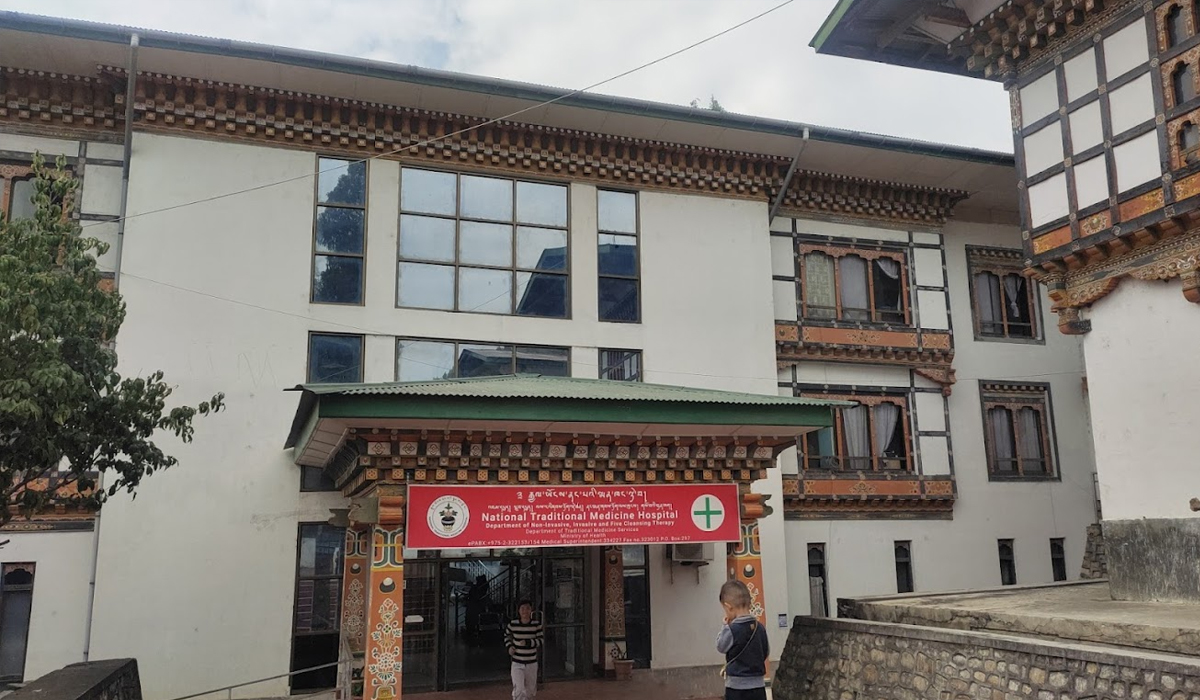
The Institute of Traditional Medical Services (ITMS) in Thimphu, Bhutan, is a pioneering institution dedicated to the preservation, practice, and promotion of traditional Bhutanese medicine. Established in 2001 under the Ministry of Health, the institute plays a crucial role in integrating traditional healing practices with modern healthcare, ensuring the continuity of Bhutan’s rich medicinal heritage.
Historical Background
Traditional medicine in Bhutan has deep roots, with practices influenced by centuries of Buddhist teachings and indigenous healing methods. The establishment of ITMS marked a significant step towards formalizing traditional medicine, providing a structured approach to education, research, and practice. The institute aims to safeguard this invaluable knowledge and make it accessible to both Bhutanese citizens and visitors.
Educational Programs
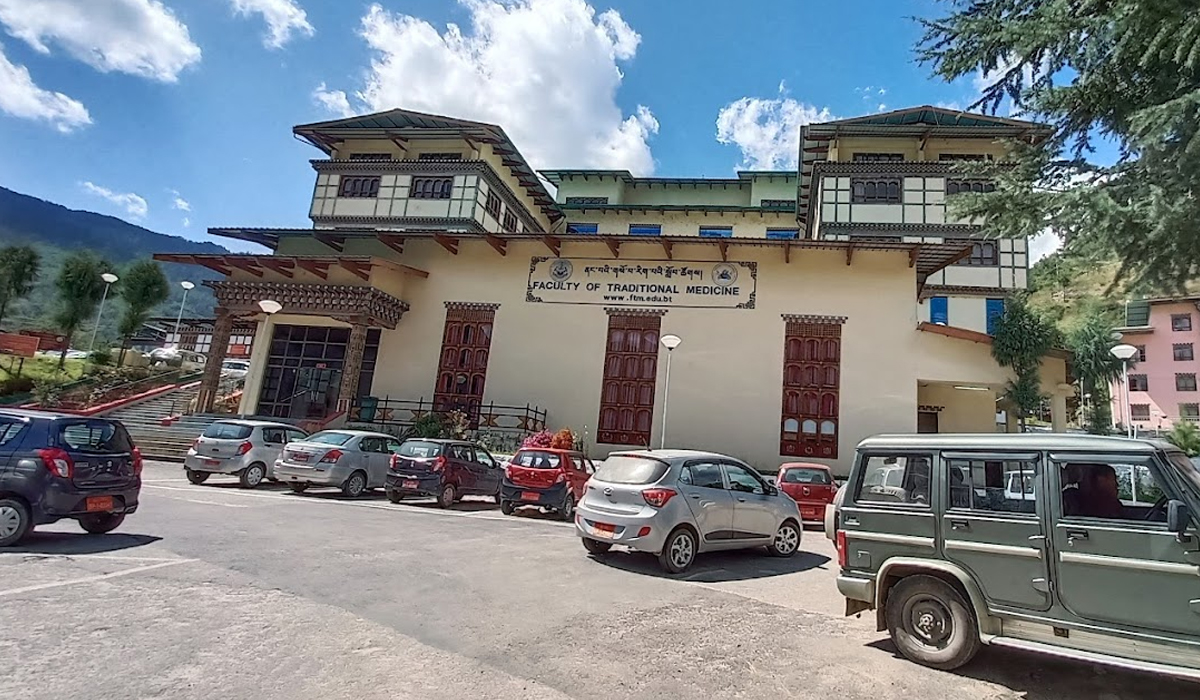
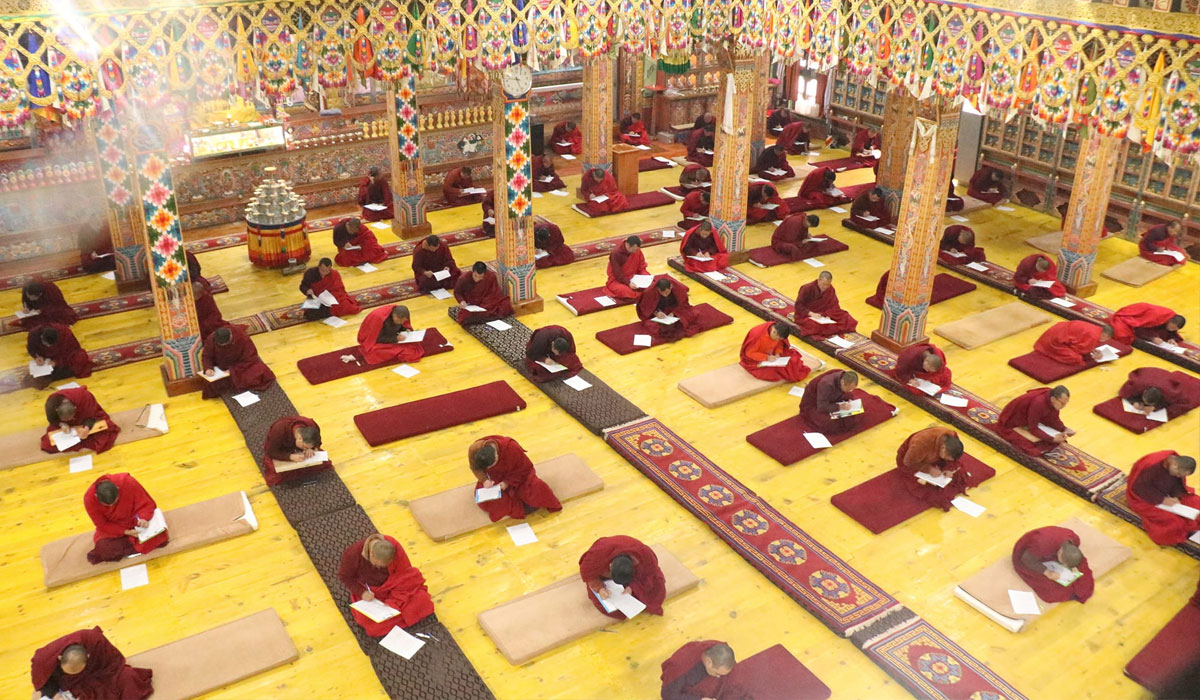
The ITMS offers comprehensive educational programs in traditional medicine, including a Bachelor’s degree in Traditional Medicine and training for traditional healers. Students learn about herbal medicine, diagnosis, treatment, and the philosophical foundations of Bhutanese medical practices. This training ensures that the next generation of practitioners is well-equipped to carry on the traditions while adapting to contemporary healthcare needs.
Research and Development
The institute is also engaged in research aimed at documenting and validating traditional medicinal practices and herbal remedies. By conducting scientific studies, ITMS seeks to bridge the gap between traditional and modern medicine, ensuring that valuable indigenous knowledge is preserved and respected in the face of globalization.
Herbal Medicine and Remedies
One of the primary focuses of the ITMS is the cultivation, preparation, and distribution of herbal medicines. The institute operates a herbal pharmacy, providing traditional remedies that are sourced from Bhutan’s rich biodiversity. These remedies are used to treat a variety of ailments, emphasizing the holistic approach of Bhutanese traditional medicine, which takes into account the physical, spiritual, and environmental aspects of health.
Cultural Significance
The ITMS not only serves as a center for medical training and research but also plays a vital role in promoting Bhutanese culture and values. Traditional medicine is deeply intertwined with Bhutanese identity, and the institute helps preserve these practices, ensuring that they continue to thrive amidst modern advancements.
Community Engagement
The institute actively engages with local communities, offering workshops and outreach programs to educate the public about the benefits of traditional medicine. This community involvement fosters greater awareness and appreciation for Bhutanese medicinal practices, encouraging people to utilize and preserve their cultural heritage.
Conclusion
The Institute of Traditional Medical Services is a cornerstone of Bhutan’s commitment to holistic health and wellness. By integrating traditional and modern medical practices, the ITMS not only preserves Bhutan’s rich medicinal heritage but also enhances the overall health and well-being of its citizens. Visitors to Bhutan can gain insights into this unique system of healing, making the institute a valuable destination for those interested in the intersection of culture and medicine.