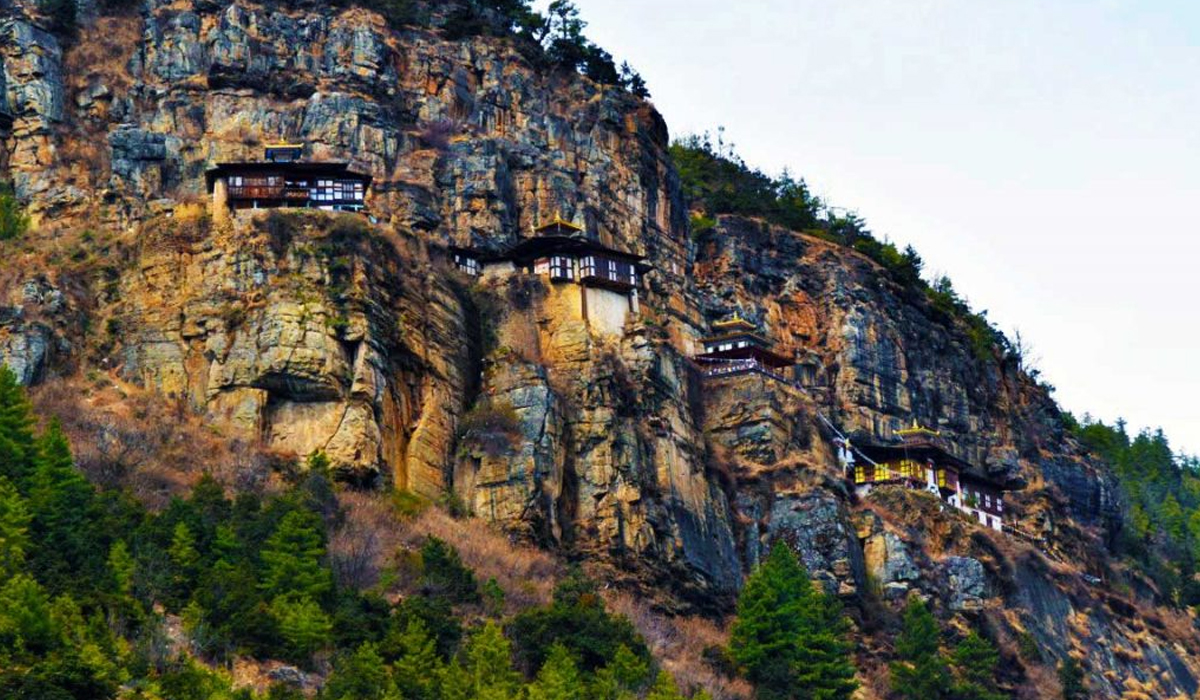
Paro Taa Dzong: Bhutan’s National Museum
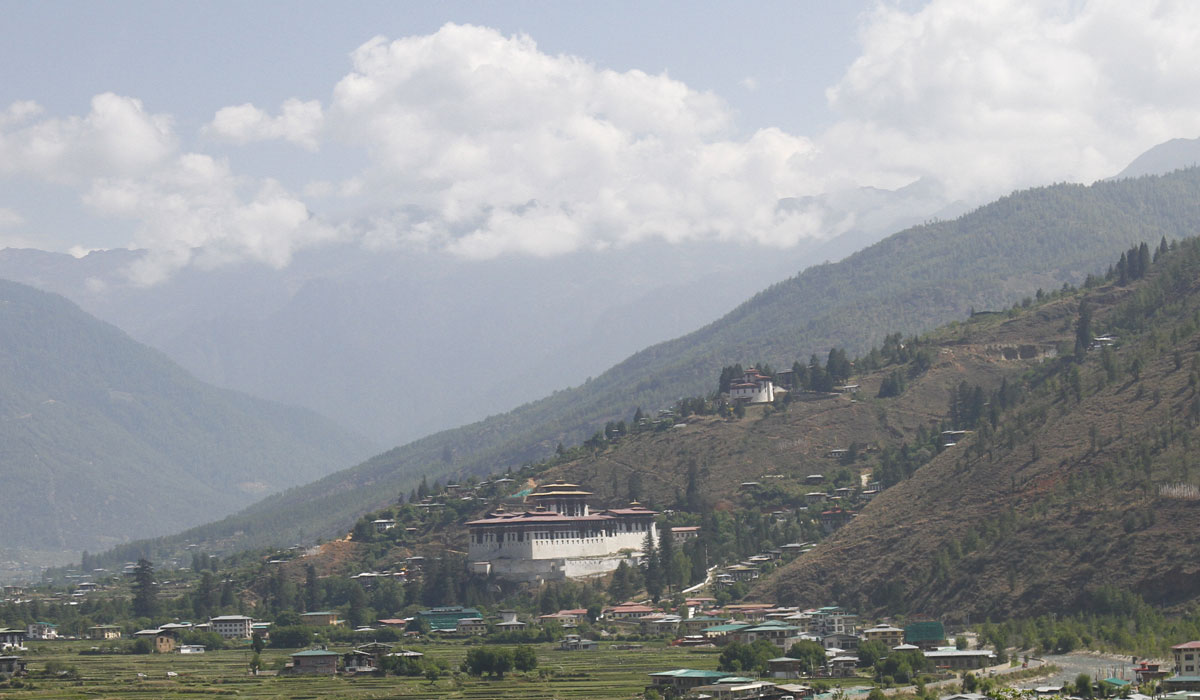
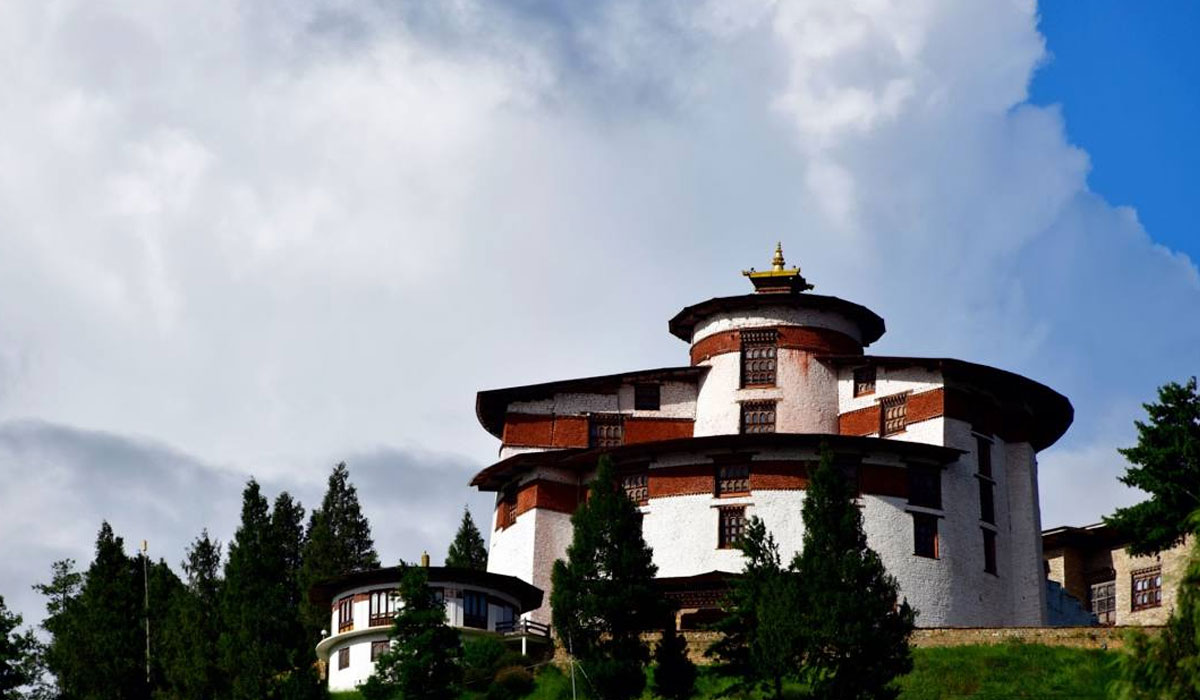
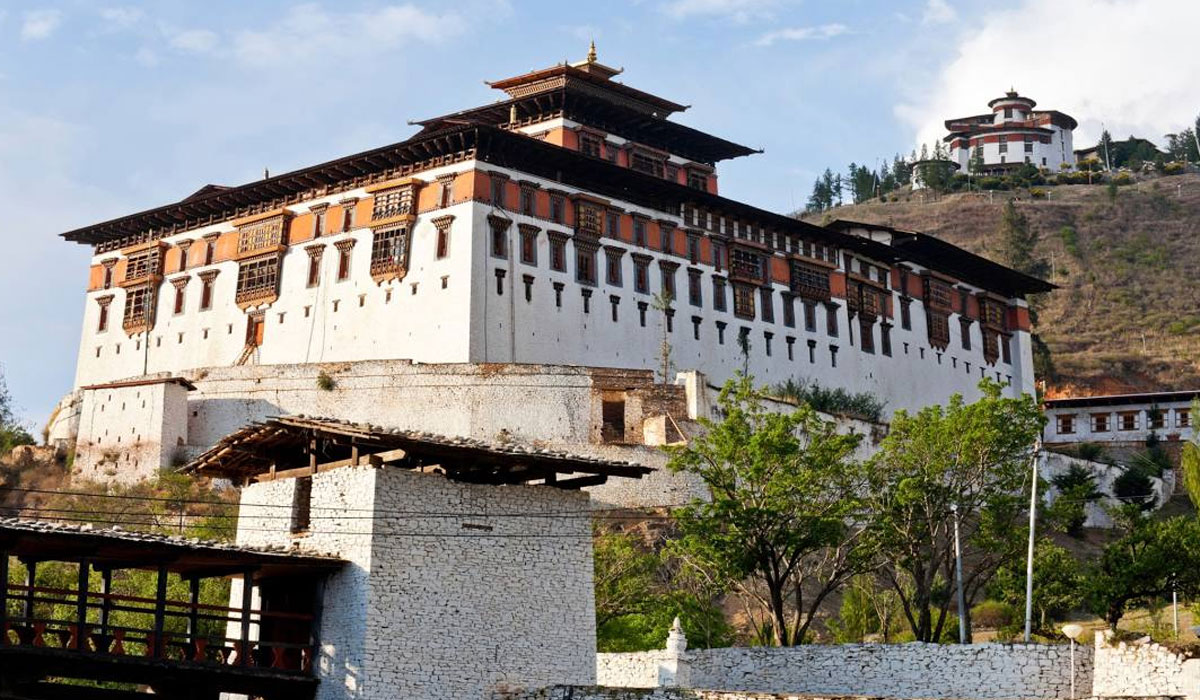
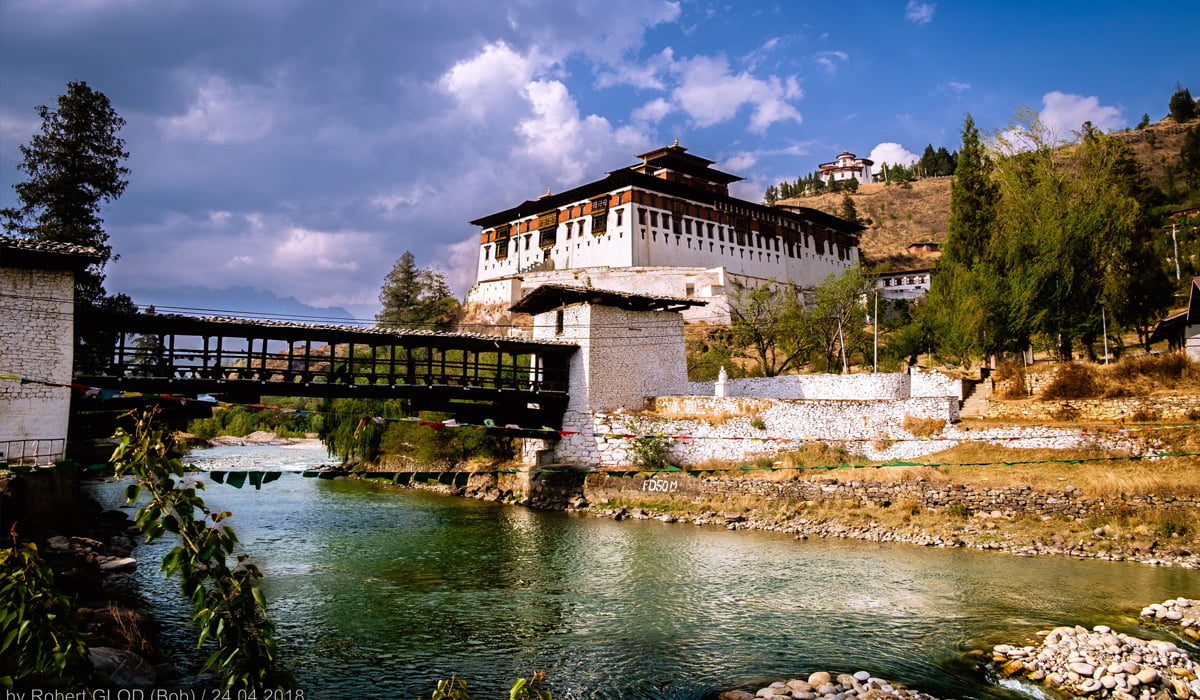
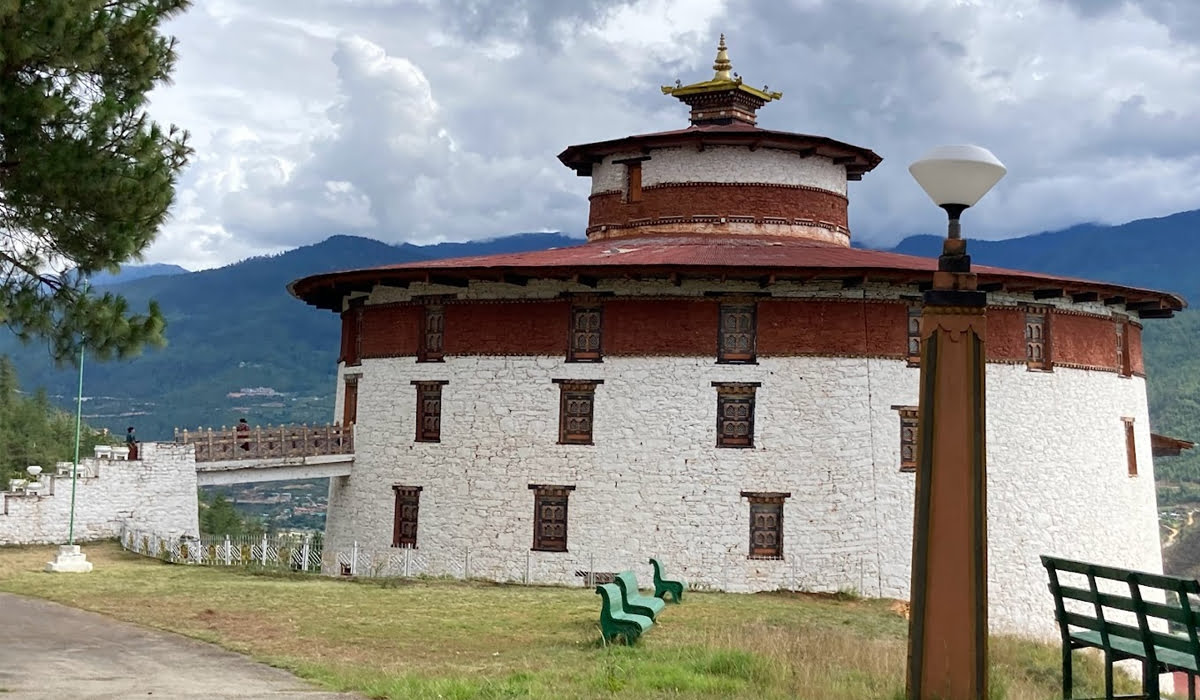
Paro Taa Dzong, originally built in the 17th century as a watchtower to defend Paro Rinpung Dzong, is now home to the National Museum of Bhutan. This cylindrical fortress, perched atop a hill overlooking Paro Valley, offers visitors a blend of history, culture, and breathtaking views.
Historical Background
Built in 1649 as a watchtower to protect Paro Rinpung Dzong and the valley from invasions, Paro Taa Dzong has a storied history rooted in Bhutan’s military and cultural heritage. It played a strategic defensive role, offering early warnings of enemy advances. In 1968, it was repurposed into the National Museum of Bhutan under King Jigme Dorji Wangchuck’s vision, transitioning from a military stronghold to a cultural repository.
Architectural Highlights
Taa Dzong’s unique cylindrical structure, with seven concentric stories, is a marvel of Bhutanese architecture. The fortress is adorned with narrow windows and thick stone walls, embodying traditional defensive design. Its strategic hilltop location offers both practicality and grandeur, while its blend of wood, stone, and intricate carvings reflects Bhutan’s architectural craftsmanship.
Spiritual Significance
While primarily a secular structure, Taa Dzong houses sacred artifacts and relics, fostering spiritual reflection. The displays of thangkas and religious artifacts connect visitors to Bhutan’s Buddhist heritage, making the site spiritually enriching despite its initial defensive purpose.
Scenic Beauty
Taa Dzong’s location on a hilltop overlooking the Paro Valley offers breathtaking panoramic views. The sight of terraced fields, traditional Bhutanese houses, and the surrounding mountains creates an unforgettable visual experience, particularly at sunrise and sunset.
Accessibility
Easily accessible from Paro town, Taa Dzong is just a short drive or hike from the Paro Rinpung Dzong. The trail connecting the two structures is scenic and steeped in history, making the journey part of the experience.
Festivals and Rituals
While Taa Dzong itself does not host festivals, its proximity to Paro Rinpung Dzong places it near the vibrant Paro Tsechu Festival, celebrated annually with colorful dances and rituals. Visitors can experience this cultural spectacle and then explore Taa Dzong to deepen their understanding of Bhutanese traditions.
Preservation and Community Roles
The transformation of Taa Dzong into the National Museum highlights Bhutan’s commitment to cultural preservation. After damage caused by the 2011 earthquake, extensive restoration ensured its continued role as a cultural and historical center. The museum also plays an educational role, connecting locals and tourists to Bhutan’s rich heritage and fostering a sense of pride within the community.