Dungtse Lhakhang: The Temple of the Three Deities
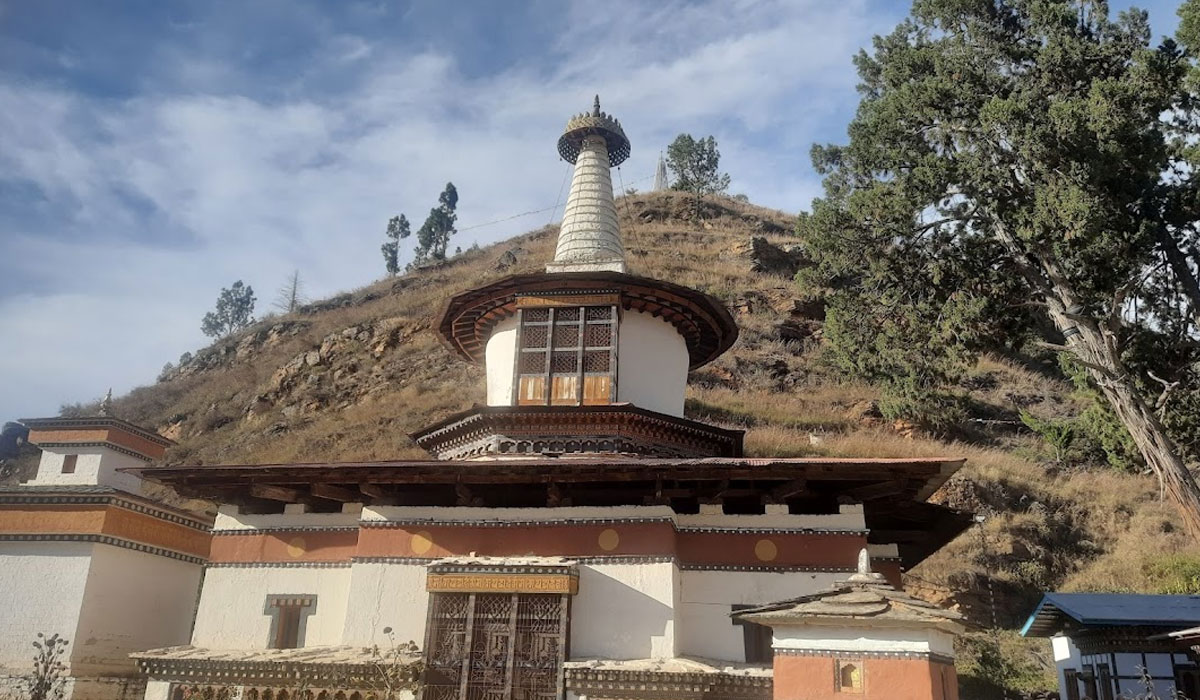
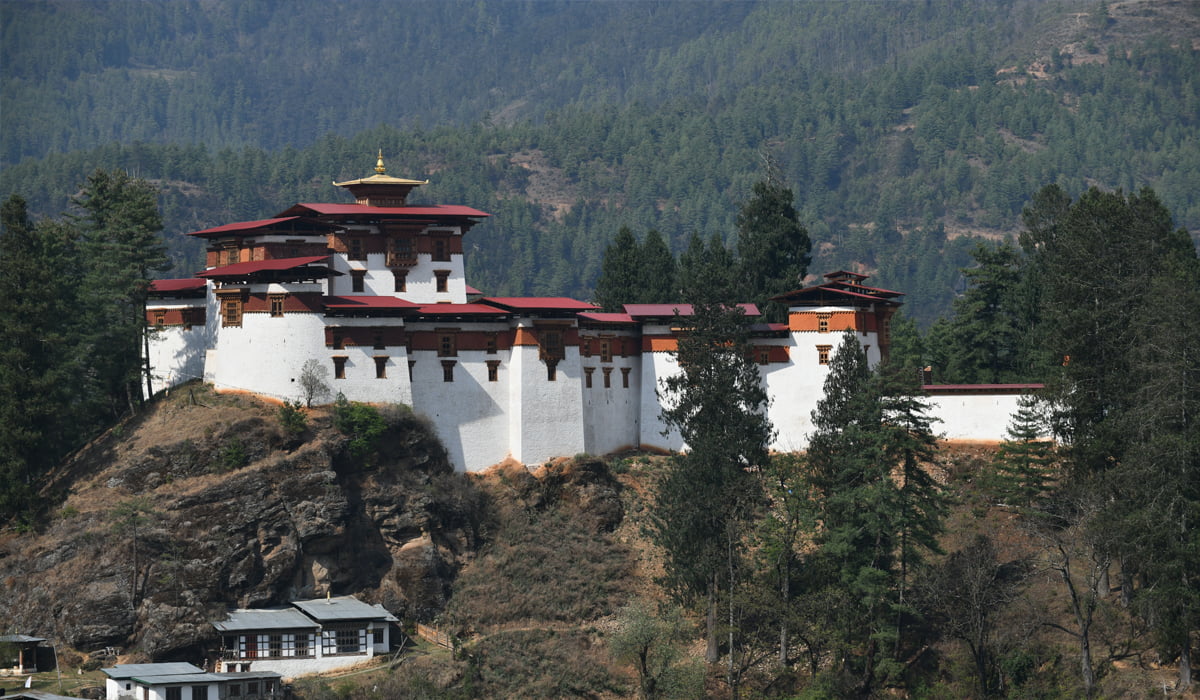
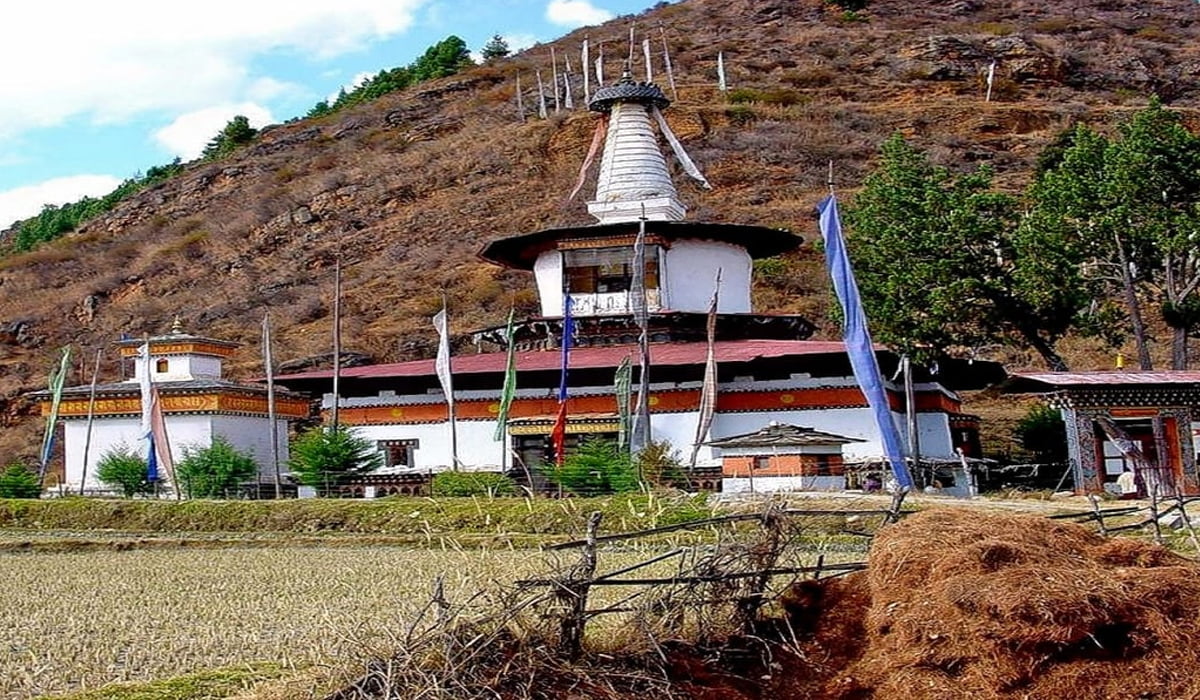
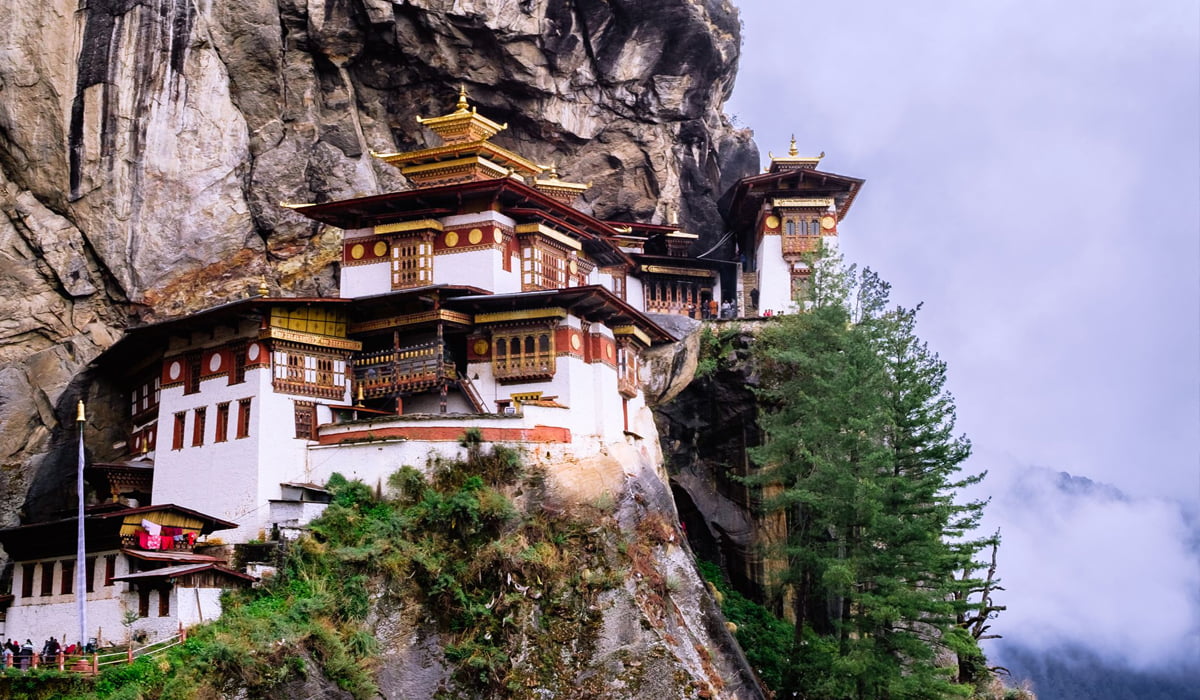
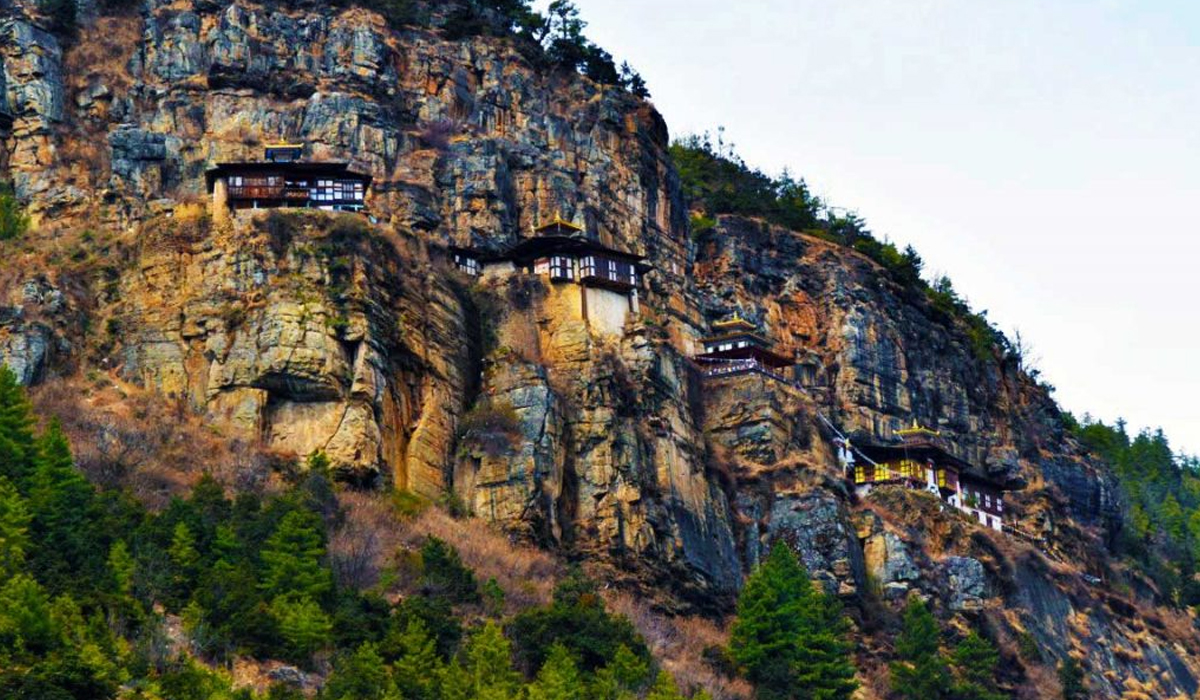
Dungtse Lhakhang, located in the Paro Valley of Bhutan, is a captivating temple known for its unique architecture, rich history, and spiritual significance. Perched on a hilltop, this sacred site offers stunning views of the surrounding landscape, making it a popular destination for both pilgrims and tourists.
Historical Background
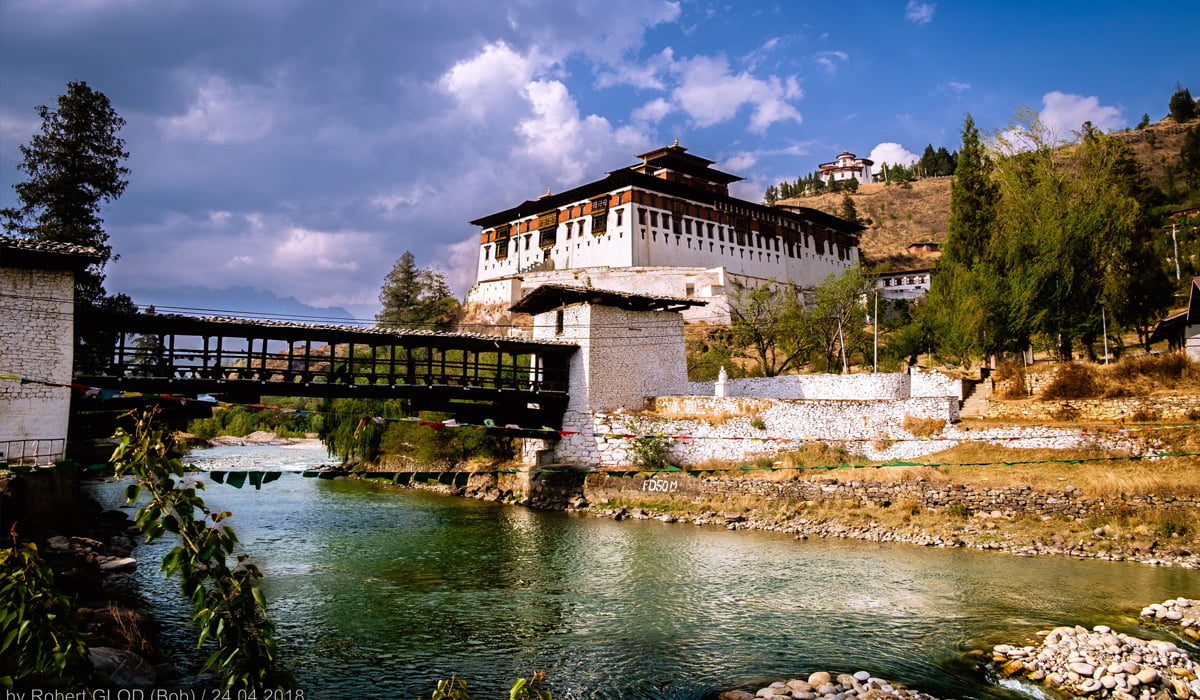
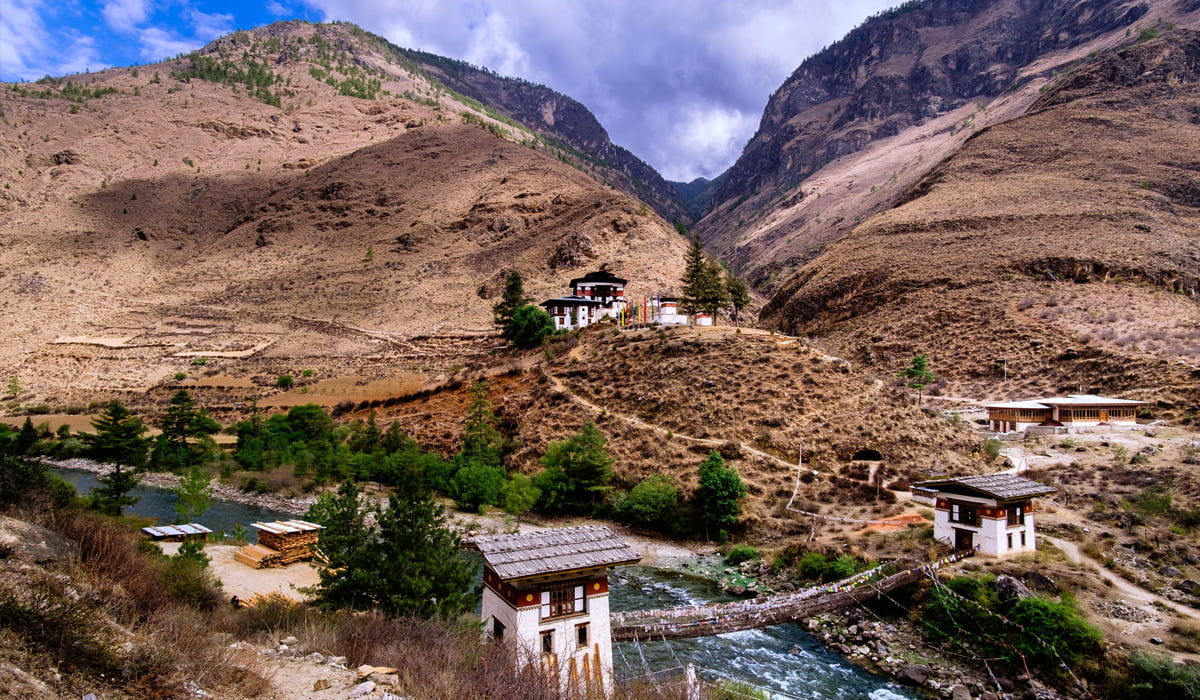
Built in the 15th century by the revered master Thangtong Gyalpo, Dungtse Lhakhang is often referred to as the “Temple of the Three Deities.” Thangtong Gyalpo, known as the “Iron Bridge Builder,” was instrumental in spreading Buddhism throughout Bhutan and constructed several temples and bridges during his lifetime. The temple was erected to honor the three principal deities of Buddhism: Buddha Shakyamuni, Avalokiteshvara, and Vajrapani, reflecting the diverse aspects of Buddhist teachings.
The site is also significant due to its association with the legendary figure of Thangtong Gyalpo, who is said to have meditated at this location, further enhancing its spiritual aura.
Architectural Highlights
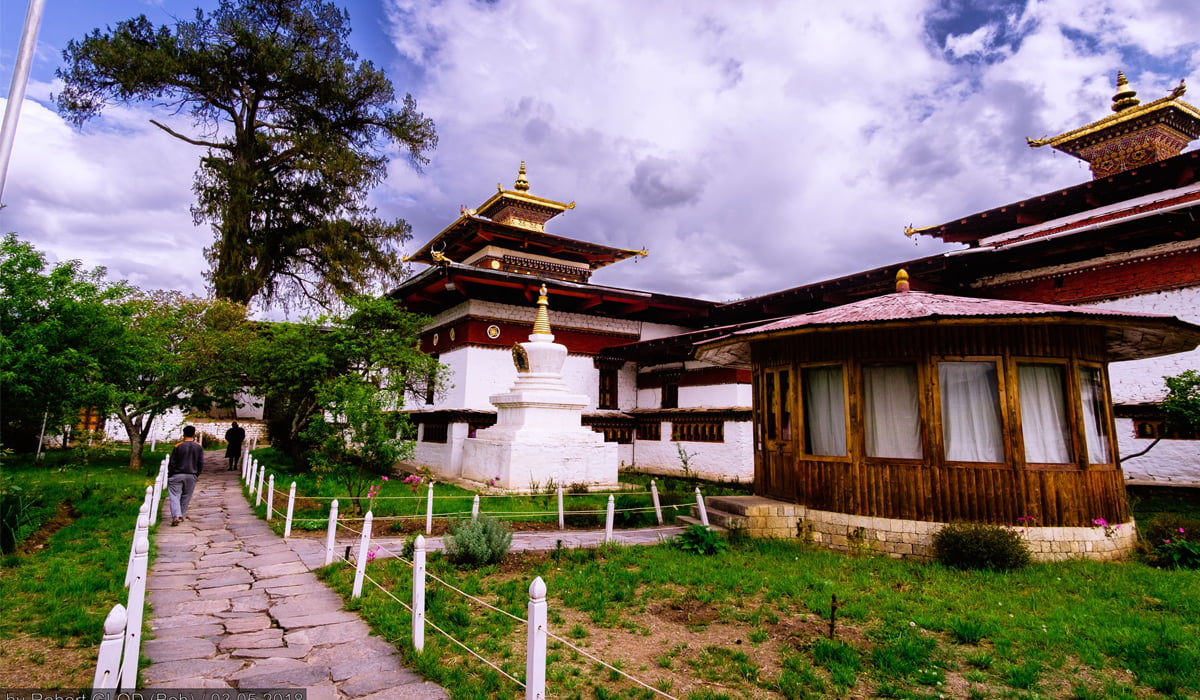
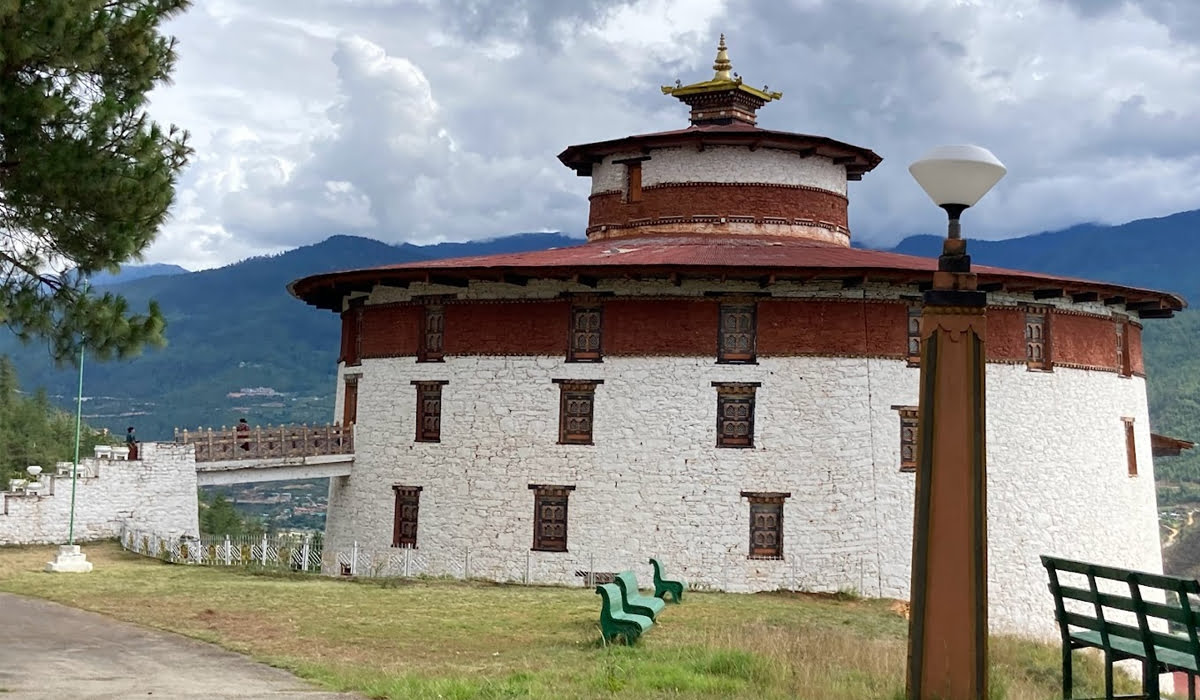
Dungtse Lhakhang is renowned for its distinctive architecture, which combines traditional Bhutanese design elements with unique artistic features. The temple is shaped like a chorten (stupa) and consists of three distinct levels, each representing a different aspect of Buddhist philosophy.
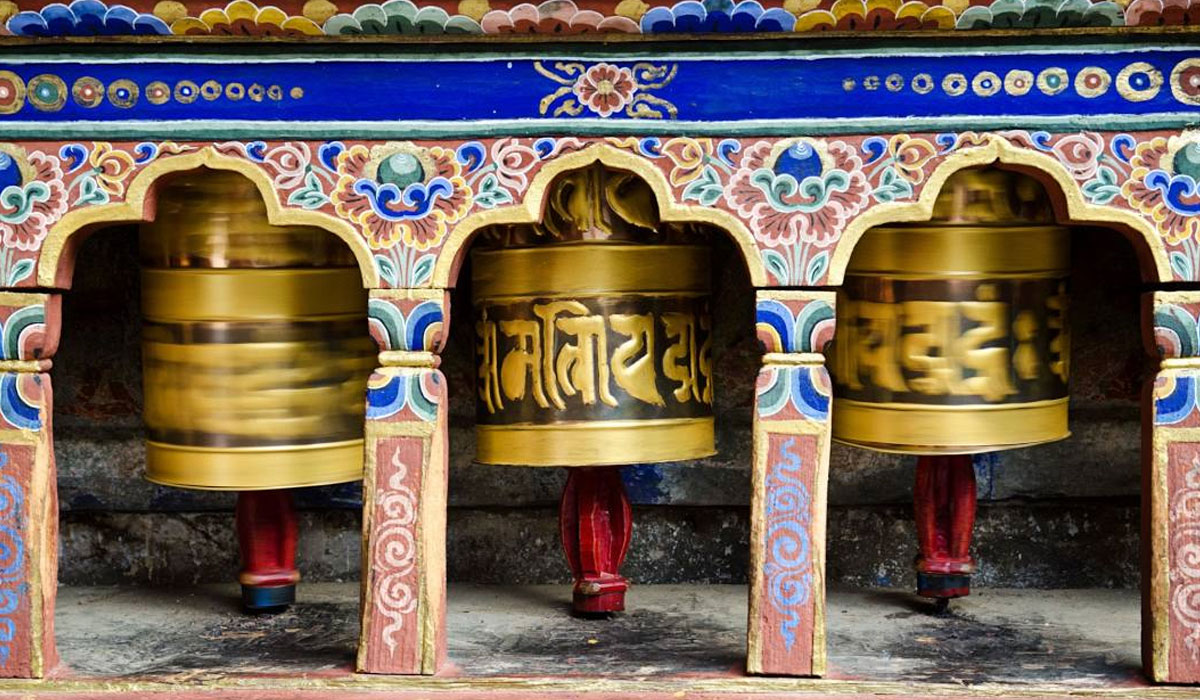
Inside, visitors can admire vibrant murals and intricate paintings depicting the life of Buddha, various deities, and scenes from Buddhist mythology. The main shrine houses statues of the three deities, serving as focal points for prayer and meditation. The unique layout and decorative elements create a harmonious atmosphere, inviting visitors to engage in spiritual reflection.
Spiritual Significance
Dungtse Lhakhang is considered a sacred site for Bhutanese Buddhists and is frequented by locals and pilgrims seeking blessings and spiritual solace. The temple is associated with various rituals and ceremonies, which emphasize the importance of the deities honored within its walls.
The annual rituals and festivals held at Dungtse Lhakhang foster community bonding and reinforce the temple’s role as a spiritual center. The temple’s significance extends beyond its physical structure; it embodies the rich spiritual heritage of Bhutan and serves as a testament to the enduring legacy of Thangtong Gyalpo.
Scenic Beauty
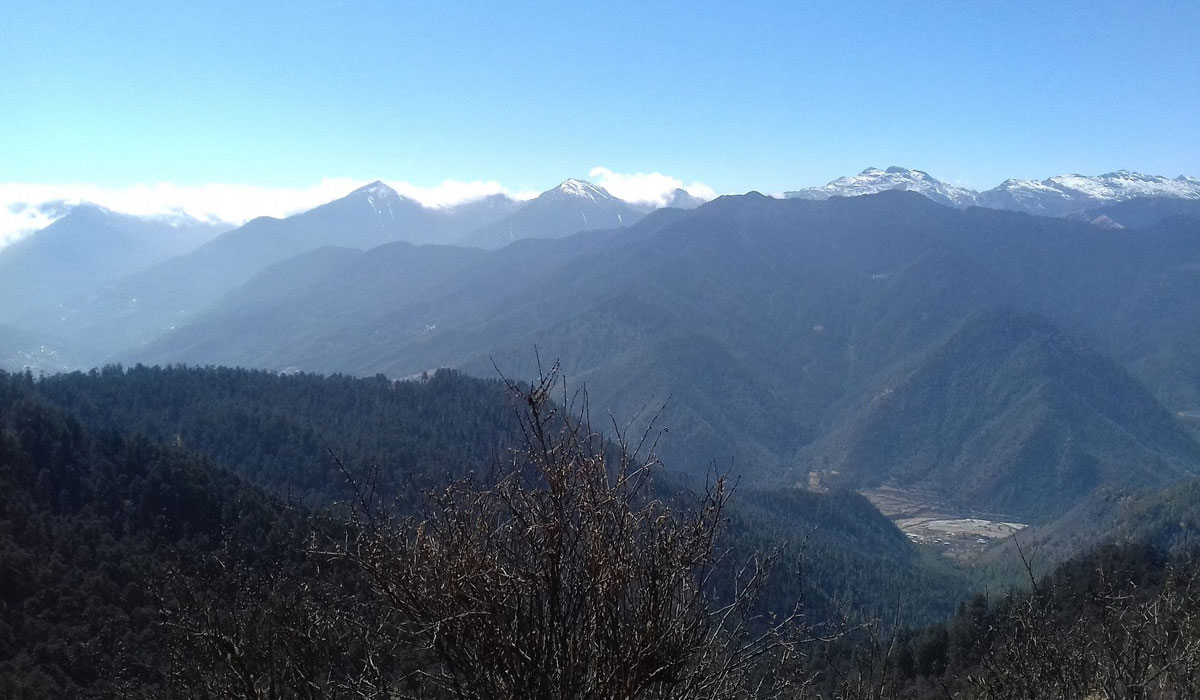
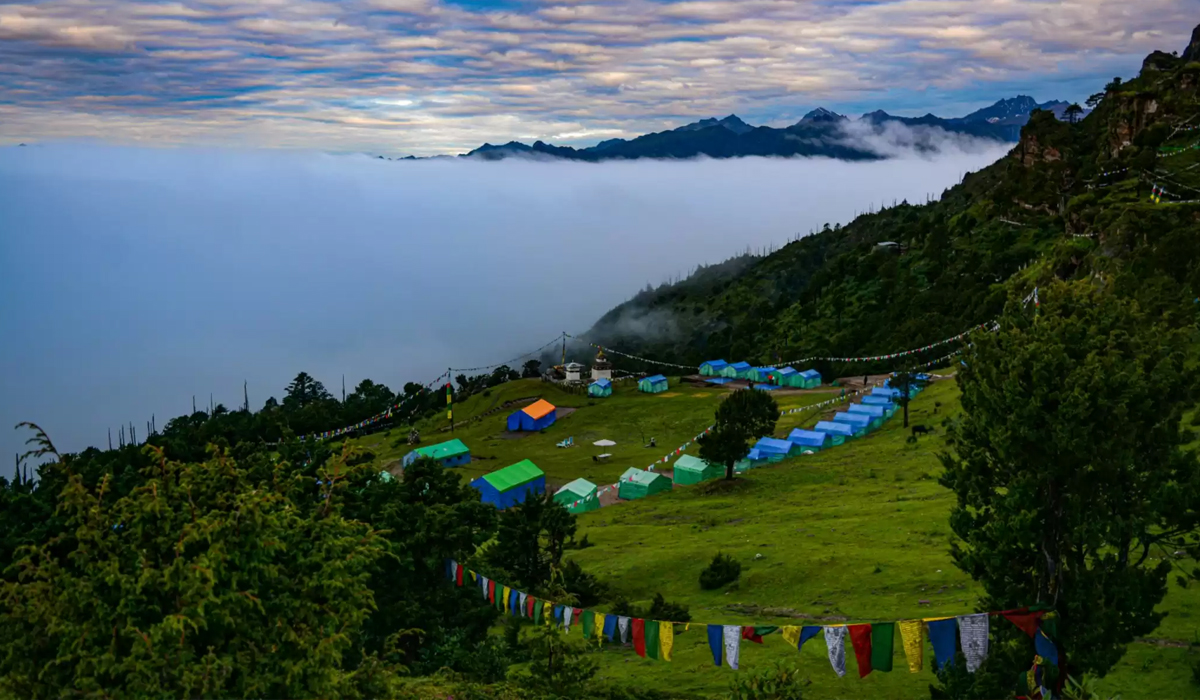
Set against the backdrop of the majestic Himalayas, Dungtse Lhakhang offers breathtaking views of the Paro Valley and the surrounding landscapes. The temple’s elevated position allows visitors to enjoy the tranquility of nature while engaging in spiritual practices. The lush greenery and stunning vistas create a serene environment that enhances the overall experience of visiting the temple.
Accessibility
Dungtse Lhakhang is conveniently located just a short drive from Paro town, making it easily accessible to visitors. A short hike is required to reach the temple from the parking area, offering an opportunity to enjoy the natural beauty of the region along the way.
Festivals and Rituals
The temple hosts various religious festivals and rituals throughout the year, drawing devotees from the local community and beyond. These events often include traditional dances, prayers, and offerings, showcasing the vibrant cultural heritage of Bhutan. The participation of locals in these festivals reinforces the temple’s significance as a communal spiritual hub.
Preservation and Community Roles
The preservation of Dungtse Lhakhang is a collaborative effort between local communities and the government, ensuring that its historical and cultural significance is maintained for future generations. Community members actively participate in the upkeep of the temple, fostering a sense of ownership and pride in their cultural heritage.